Pastel de Feira: Easy Step-by-Step Recipe
Entradas-e-petiscos
Glossário Culinário
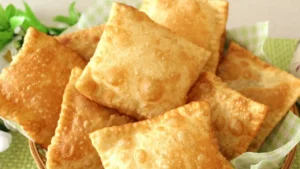
The pastel de feira is the large, thin and crispy fried pastry sold at Brazilian street markets, fried fresh to order and served with vinaigrette salsa and sugarcane juice. With a golden crust that puffs up and blisters, it is one of the country’s most beloved snacks, with generous fillings ranging from simple cheese to ground beef with egg.
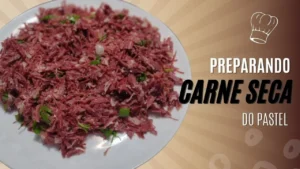
The dough combines wheat flour, water or milk, oil, salt and a splash of cachaça or vinegar, which helps create the crisp texture and frying blisters. Rolled very thin with a rolling pin or pasta roller, it is cut into rectangles, filled without overdoing it and sealed by pressing the edges with a fork. Classic fillings are cheese, ground beef, chicken, hearts of palm, pizza-style and carne-seca (Brazilian dried beef). Deep-frying in plenty of hot oil leaves the pastel golden, dry and with a crust that crackles when you bite into it.
The pastel de feira is the classic Saturday-morning market snack, for outings and parties, served with vinaigrette salsa, hot sauce and ice-cold sugarcane juice. At home, ready-made pastel dough solves quick dinners and gatherings, since each person assembles their own filling. Mini pastéis made the same way become party finger food. To serve them well, fry only a few at a time and bring them to the table immediately, as pastel goes soggy while it waits.
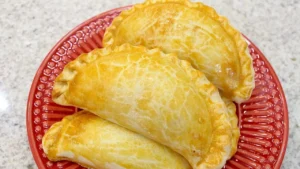
The most common variations are the fried pastel de feira, the classic, the baked pastel (pastel de forno), oven-baked and lighter, the carne-seca pastel, with a bold Northeastern filling, and the Swiss-chard pastel, with a mild greens filling. There are also sweet versions with banana and cinnamon, chocolate or guava with cheese, plus baked rolls of pastel dough filled with cold cuts.
The secret to a non-greasy pastel is very hot oil plus cold, well-drained filling: watery filling opens the pastel and soaks the dough. Don’t stretch the dough past its limit or it will tear when folded. Seal it pushing out all the air inside, since air pockets burst during frying. And let the dough rest before rolling — it turns more elastic and rolls thin without fighting the rolling pin.
Entradas-e-petiscos
Entradas-e-petiscos
Lanches-e-salgados


