Kung Pao Chicken (Frango Xadrez): Juicy, Easy Traditional Chinese Recipe in 20 Minutes
Receitas
Glossário Culinário
Ginger is a rhizome — an underground stem with thin skin and yellowish flesh — with a spicy, citrusy and slightly sweet flavor. Very common in Asian cooking, it shows up in stir-fries, soups and curries, and in Brazil it is famous in the quentão of June festivals and in homemade teas. It can be used fresh, powdered, crystallized or pickled, and a small amount is enough to transform the dish.
Fresh ginger has beige, rough skin that should feel firm and free of mold, and juicy pale-yellow flesh inside. The fresher it is, the juicier and more aromatic; old rhizomes turn fibrous and dry. The flavor combines gentle heat with lemony freshness, and intensity varies with preparation: freshly grated is more pungent, while long cooking turns it mild and rounded. Ground ginger, made from the dried, milled root, is more concentrated and hot, suited to cakes, cookies and spice blends.
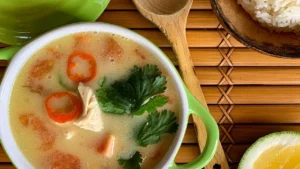
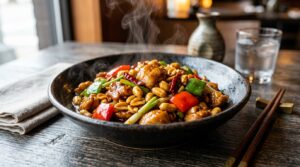
In Eastern cooking, ginger is essential in stir-fries such as kung pao chicken, soups such as tom kha gai, spring rolls, sauces and marinades for meat and fish, where it also helps soften strong odors. In Brazil, it flavors quentão, teas, juices with lime and pineapple, as well as syrups and sweets. In baking, it goes into gingerbread, cookies and spice cakes. Use it sliced for infusions and stocks, grated for stir-fries and sauces, and powdered for cake batters, always in moderation so it does not take over the recipe.
Without ginger on hand, you can adapt:
Peeling ginger with the edge of a spoon is easier and wastes less flesh than using a knife, since the skin is thin and uneven. The rhizome keeps well for weeks in the refrigerator in a sealed container and can be frozen whole, grating off the needed portion while still frozen. In teas and quentão, lightly crushing the slices before heating helps release more aroma into the drink.