Kung Pao Chicken (Frango Xadrez): Juicy, Easy Traditional Chinese Recipe in 20 Minutes
Receitas
Glossário Culinário
The bell pepper is a vegetable with crisp flesh and a sweetish taste, a relative of chili peppers but without heat in the most common sweet varieties. It comes in green, red and yellow, each at a different ripeness stage with its own nuance of flavor, and it is a constant presence in stir-fries, salads, farofas and Asian-style dishes. Beyond color and texture, it brings juiciness to preparations and pairs with beef, chicken, fish and vegetables.
Bell peppers have smooth, shiny skin, a bell shape and a hollow interior with pale seeds that should be removed before use. The green one is picked before ripening, with a more herbal and slightly bitter taste; the red one is the ripe fruit, sweeter and softer; the yellow one sits in between, mild and fruity. Good bell peppers have firm skin, feel heavy in the hand and show no wrinkles or soft spots. There is also paprika, the powder made from dried, ground peppers, used as a seasoning.
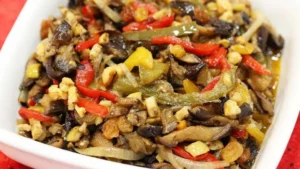
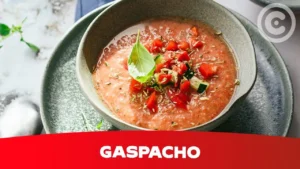
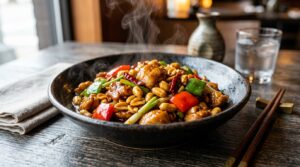
Bell pepper is essential in stir-fries such as kung pao chicken, moquecas, couscous-style dishes, farofas and ratatouille, as well as pie and empanada fillings. Raw, in strips or cubes, it refreshes salads and vinaigrettes; roasted or grilled, it turns sweet and soft, great in appetizers such as caponata and in sandwiches. It can also be stuffed with ground beef, rice or cheese and baked, or blended into sauces and gazpacho, the cold Spanish soup made with tomato and vegetables.
To replace bell pepper in recipes, you can use:
Roasting the bell pepper directly over the gas flame until the skin blackens and then covering it in a bag or container makes peeling easy, leaving the flesh soft and smoky, ideal for appetizers. People who have trouble digesting it usually tolerate bell pepper better without skin and seeds. For uniform strips in Asian-style stir-fries, cut the bell pepper into pieces about the same size as the other ingredients, ensuring even cooking.