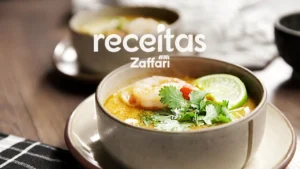
Shrimp Laksa: Simple and Easy Recipe
Comidas-asiaticas
Glossário Culinário
Shrimp is a crustacean with an elongated body and jointed shell, widely used in Brazilian cooking in dishes ranging from bobó and moqueca to risotto and savory pies. With a delicate, slightly sweet flavor, it cooks in a few minutes and pairs with seasonings like garlic, cilantro, chili pepper, lime and coconut milk.
Sizes vary widely: the seabob is small and common in fillings and pirão; gray and pink shrimp are medium and versatile; large ones, sometimes called pistol or VG, appear in grilled dishes and showpiece plates. Raw, shrimp is usually grayish or bluish and turns pink or orange when cooked, a visual sign of doneness. It is sold fresh or frozen, with shell and head or already cleaned, and also dried and salted, typical of Afro-Brazilian cooking.
In Brazilian cooking, shrimp stars in bobó, moqueca, vatapá, escondidinho and empadão, as well as risottos, ceviches, salads and pastas. Grilled or sautéed in garlic and oil, it becomes a quick snack or side. Stock made from the shells makes a flavorful base for pirão, risottos and moquecas. Dried shrimp, well rinsed and sautéed, seasons caruru, vatapá and farofas.
Among fresh types, different sizes replace one another by adjusting cooking time. Dried shrimp can stand in for fresh in Afro-Brazilian dishes, with soaking and salt adjustment. In escondidinhos, savory pies and risottos, firm white fish, squid or shredded chicken work as alternatives, with a milder flavor. For seafood-free versions, sautéed mushrooms or hearts of palm give a pleasant texture in fillings.
The secret to tender shrimp is short cooking: a few minutes are enough, and too much time makes the flesh rubbery. Practical tip: remove the dark vein along the back, the intestine, with a toothpick or a shallow cut, and season only close to cooking so the flesh does not release water. When buying, choose firm pieces with a mild sea smell and no dark spots on the shell.
Comidas-asiaticas

Entradas-e-petiscos

Arroz-e-risotos


