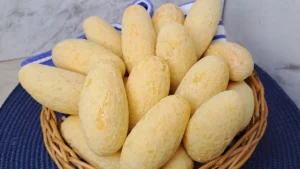
Polvilho Biscuits: Traditional Step-by-Step Recipe
Lanches-e-salgados
Glossário Culinário
Scalding means pouring a very hot liquid, usually boiling water or milk, over an ingredient to soften it, hydrate it, or ease a recipe step. It is the classic move of scalding tapioca starch with hot water and oil in cheese-bread dough, which gives the dough its stretchy texture and characteristic rise. Tomatoes are also scalded to loosen the skin, leaves to wilt, and flours to pre-cook. Unlike simmering, scalding is quick: the hot liquid does its job and the recipe moves on.
Scalding calls for liquid at a full boil, poured all at once over the ingredient set in a heatproof bowl. With tapioca starch, the hot mixture gelatinizes part of the starch, and the dough then absorbs the eggs and cheese added afterward more easily. Stirring with a sturdy spoon right after pouring spreads the heat evenly and prevents lumps. After scalding, the texture is moist and grainy, the ideal starting point for shapeable doughs.
Scalding is essential in tapioca crackers, cheese bread, chipa, and other doughs made with sweet or sour tapioca starch. It is also used to peel tomatoes and peaches, soften cabbage leaves for rolls, hydrate couscous, and take excess salt off cured meats in recipes calling for a quick scald. In sweets, scalding dried fruit or zest in hot syrup heightens the aroma before they go into the cake or filling.
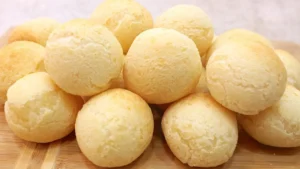
Minas Gerais cheese bread only exists as we know it because of scalding: without the hot water over the starch, the dough would not gain the stretch that holds its rise in the oven. Many people confuse scalding with blanching, but there is a practical difference: in scalding, the hot liquid goes to the ingredient; in blanching, the ingredient dives into the pot and then gets an ice shock. Another old trick is scalding the mate kettle outside the herbs, just to warm the gourd before brewing.
Lanches-e-salgados
Paes-salgados

Salgados-e-acompanhamentos


