
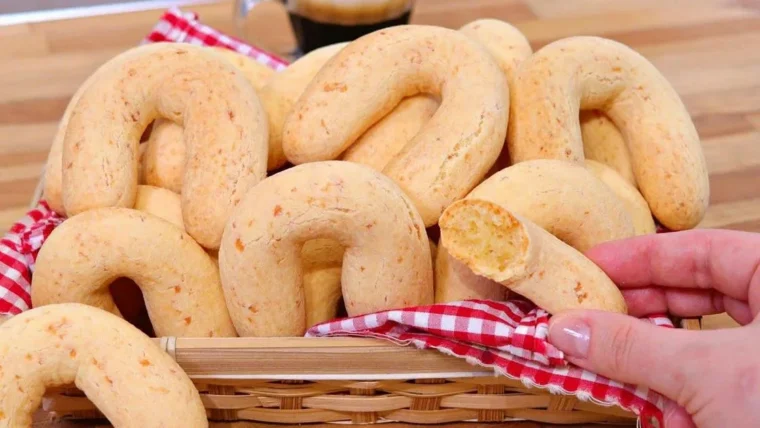
Chipa is a delicious traditional Paraguayan cheese bread. Rich in flavor and history, it is perfect with your coffee or afternoon snack. Learn how to make this delicacy and surprise everyone with the authentic taste of Paraguayan cuisine.
Origin and History of Chipa
Chipa is a traditional Paraguayan cheese bread with roots deeply intertwined with the culture and history of Paraguay. Chipa dates back to colonial times, as a culinary heritage of the Guarani indigenous people and the Spanish colonizers. The latter brought European ingredients and baking techniques which, blended with local ingredients, gave rise to this delicious food.
In Paraguay, chipa is usually eaten for breakfast or as a snack, accompanied by a good tea, coffee, or mate. Preparing this delicacy is so important that there are even festivals and fairs dedicated to chipa in several regions of the country.
Traditional Chipa Ingredients
The basic chipa recipe calls for simple ingredients that deliver an unmatched flavor. The main components are:
- Cassava Starch: Also known as tapioca starch, it is the key ingredient that gives chipa its characteristic texture.
- Cheese: Traditionally Paraguayan cheese is used, but modern versions may include other types such as minas cheese.
- Eggs: Essential for giving structure and moisture to the dough.
- Butter: Adds flavor and helps create a soft texture.
- Milk: Used to bind the dough; it can be replaced with water or even coconut milk for a special touch.
- Baking Powder: Although not a traditional ingredient, it can be added for a fluffier chipa.
A pinch of salt and, sometimes, aniseed or other seasonings complete the mix.
How to Make Chipa
Making chipa may seem simple, but it takes some care to get the dough just right. The step-by-step process includes:
- **Mixing: ** In a large bowl, mix the cassava starch, grated cheese, and salt. In another container, beat the eggs and add the melted butter and milk.
- **Kneading the Dough: ** Gradually add the wet ingredients to the dry ones, kneading the dough until smooth and no longer sticking to your hands.
- **Shaping: ** Shape the chipas as desired, traditionally in a horseshoe or ring shape.
- **Baking: ** Bake in a preheated oven at 350°F for about 20 to 25 minutes, or until golden brown.
Chipa Recipe Variations
Chipa is a recipe that allows many variations, making it possible to innovate without losing its essence. Some popular options include:
- Chipa Guazú: A creamier version made with green corn in the batter, ideal for those who enjoy a sweeter flavor.
- **Potato Chipa: ** Part of the cassava starch is replaced with cooked mashed potatoes, resulting in an even softer texture.
- Chipa Relleno (Stuffed Chipa): A stuffed version with various fillings such as ham, extra cheese, or even meats.
- Vegan Chipa: Replaces eggs and milk with plant-based alternatives, such as hydrated flaxseed and soy milk.
Nutritional Benefits of Chipa
Even though it is a delicacy prized for its flavor, chipa also has interesting nutritional qualities:
- **Rich in Protein: ** Thanks to the cheese and eggs, chipa is a good source of protein that helps maintain and build muscle.
- Gluten-Free: Using cassava starch instead of wheat makes chipa an excellent option for people with celiac disease or gluten intolerance.
- Vitamins and Minerals: Ingredients such as eggs and cheese are rich in vitamins A, D, and B-complex vitamins, as well as minerals like calcium and phosphorus.
- **Sustained Energy: ** Thanks to the carbohydrates in cassava starch, chipa provides steady energy, avoiding blood sugar spikes.
Chipa in Paraguayan Culture
In Paraguay, chipa is much more than a simple food. It is part of the national identity, present on many occasions, from religious celebrations to sporting events. Making chipa also involves family and social rituals, where several generations gather to share recipes and moments.
Tradition holds that, during Holy Week, Paraguayan families prepare large quantities of chipa, both for their own consumption and to give to friends and neighbors. This gesture is seen as an act of solidarity and community.
Where to Find and Buy Authentic Chipa
Although it is easy to make at home, chipa can be bought at Paraguayan bakeries and markets. Cities with large Paraguayan communities, such as Foz do Iguaçu in Brazil, also have establishments selling fresh chipa daily.
Another option is to buy online. Many specialty bakeries offer authentic chipa delivered across the country, so everyone can taste this Paraguayan delight without leaving home.
Economic Importance of Chipa
Chipa production is an important source of income in Paraguay. Small and medium producers, often family-run, profit from sales both in the local market and in exports. Chipa fairs and festivals attract tourists and boost the regional economy, driving gastronomic tourism.
In addition, large-scale production is common in bakeries and pastry shops, creating jobs and contributing to the diversification of the local economy.
Pairing and Serving Tips
For those who want to get the most out of chipa’s flavor, some pairing tips include:
- Drinks: Black tea, strong coffee, or mate are drinks traditionally served with chipa. Light wines and natural juices are also good options.
- Accompaniments: Various pâtés, homemade butter, and even dulce de leche make delicious combinations.
- Seasonings: Adding a pinch of pepper or fine herbs to the dough can take chipa’s flavor to another level.
Eating chipa still warm, right out of the oven, is the ideal way to enjoy this gastronomic tradition at its best.


💬 Comentários (0)
Deixe sua teoria ou opinião sobre esta matéria.
Nenhum comentário por enquanto. Seja o primeiro a comentar!