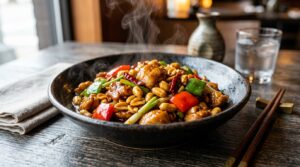
Kung Pao Chicken (Frango Xadrez): Juicy, Easy Traditional Chinese Recipe in 20 Minutes
Receitas
Glossário Culinário
Proteins are nutrients made of amino acids, responsible for building and maintaining muscles, skin, hair and body tissues. In the kitchen, the term comes up whenever a complete meal is discussed: meats, eggs, dairy and legumes are the sources that give the dish substance and increase satiety.
Proteins are divided between animal sources, such as chicken, beef, fish, eggs, milk and cheese, and plant sources, such as beans, lentils, chickpeas and soy. The combination of rice and beans is a classic example of a meal bringing different plant sources together on the same plate. When cooked, proteins react to heat: meats brown and firm up, eggs set and cheeses melt, changes that signal doneness and texture.
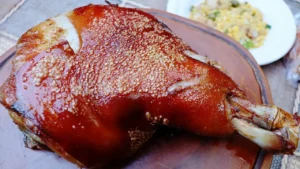
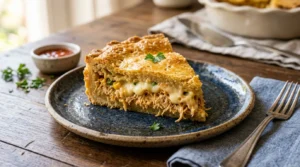
Building the plate around a protein source is the starting point of lunches and dinners: grilled chicken with vegetables, Sunday roast, quick omelets, chicken pot pies and grilled fish. Day to day, eggs solve quick meals, and rice with beans guarantees the protein base without meat. Hygiene and correct doneness are essential, especially with chicken and meats, which must be well cooked for safety.
To vary or save money, you can swap beef for chicken, fish or eggs, use plain yogurt instead of heavy cream in sauces, and replace part of the ground beef with lentils in meatballs and sauces. Those cutting back on animal products can combine rice, beans, chickpeas and soy through the week to keep meals complete.
The word protein comes from Greek and points to the idea of something primary, which shows how important science has always considered this nutrient. In cooking practice, the browning of grilled meat and the crust of roast chicken come from proteins reacting to heat, the same phenomenon that gives bread its browned crust. That is why searing, grilling and roasting change the flavor of dishes so much.