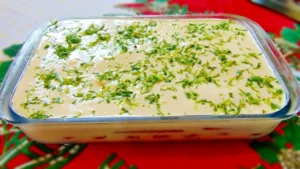
Brazilian Lime Pave: Easy No-Bake Dessert
Bolos-e-doces
Glossário Culinário
Lime is the indispensable tangy citrus fruit: its acidic juice and fragrant zest season salads and meats, balance fried foods, lift sweets and turn into juices, caipirinhas and mousses. Few ingredients do so much with so little.
Tahiti lime is the most common in Brazil: thin green skin, lots of juice and good acidity, great for everyday use. Sicilian lemon is yellow, larger and more aromatic, with thick skin ideal for zest and refined sweets. Rangpur lime, orangey inside, is milder and fragrant, beloved in caipirinhas and juices. The small, juicy Galego lime shows up at markets and backyards. All share the acidity that enhances and balances flavors.
It goes into marinades for meats, poultry and fish, salad dressings, homemade mayonnaise and seasoning for beans and moquecas. In sweets, it reigns: lime mousse, lime pie with meringue, lime pavê, lime cake and lime brigadeiro. The juice also keeps cut fruit like apples and bananas from browning.
The varieties replace one another in most recipes, adjusting the amount to taste. In marinades and sauces, vinegar can play the acidic role in a pinch, with a different flavor. Persian lime, sweeter, and apple cider vinegar are occasional alternatives. For zest, only another citrus works: orange or Sicilian lemon zest keeps the perfume.
Roll the lime on the counter pressing lightly before squeezing: it yields more juice. When zesting, use only the colored part of the skin — the white part is bitter. Drops of lime in fluffy rice? The most repeated home trick is squeezing the juice right when using it, since the flavor fades over time. And to remove fish smell from hands and the cutting board, rubbing half a lime works very well.
Bolos-e-doces

Bolos-e-doces

Bolos-e-doces


