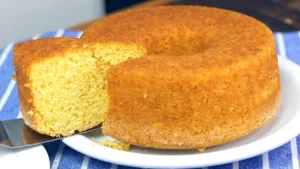
Cornmeal Coconut Cake: Simple and Easy Recipe
Bolos-e-doces
Glossário Culinário
Fubá is fine corn flour, yellow in color with a delicate texture, the base of fubá cake, polenta, angu (Brazilian corn porridge) and corn couscous. Mild and lightly sweet in flavor, it gives cakes their soft, golden crumb and porridges the creaminess that comforts. It is a fixture at June festivals (festas juninas) and Brazilian afternoon coffee.
The most common type is fubá mimoso, extra fine and ideal for smooth cakes and porridges. There is also watermill-ground fubá, artisanally milled with a slightly coarser grain, loved in country-style recipes. Unlike flaked corn flour, fubá is fine and soft, and unlike cornstarch, it keeps the grain’s flavor and color in the finished dish.
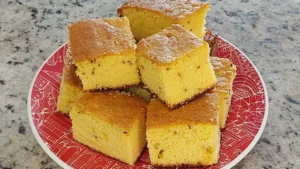
In sweets, it yields plain, creamy, coconut or anise-flavored fubá cake, broas (cornmeal buns) and rosquinhas (ring cookies). In savory cooking, it becomes creamy or fried polenta, Minas-style angu, pirão (fish-broth porridge) and crispy breaded coatings. Cooked with water or milk, it thickens soups and broths, and toasted in the skillet it joins golden farofas alongside meats.
In cakes, fubá can be swapped for fine corn flour, with a slightly more rustic crumb. Corn semolina makes similar polentas, with a somewhat longer cooking time. Cornstarch thickens porridges but removes the grain’s characteristic flavor. For a gluten-free version, pure fubá already works, as long as the label guarantees no contamination with wheat.
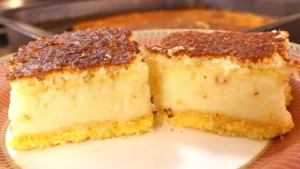
Creamy fubá cake takes more liquid in the batter and forms on its own a pudding layer at the bottom of the pan. For lump-free polenta, sprinkle the fubá like rain over the boiling liquid, stirring nonstop. Store fubá in a sealed container, away from moisture and heat, since corn’s natural fat makes it spoil faster than wheat flour.
Bolos-e-doces
Bolos-e-doces
Bolos-e-doces


