Simple Chicken Salpicão: Easy Classic Recipe
Entradas-e-petiscos
Glossário Culinário
Chopping means cutting food into small pieces that are as even as possible, using a knife over a sturdy cutting board. It is one of the first moves a cook learns, because almost every recipe starts with something chopped: onion and garlic for the sauté base, tomato for the sauce, fresh herbs to finish, vegetables for the salad. Same-size pieces cook evenly and spread flavor in a balanced way through the dish.
Good chopping depends on three things: a sharp knife, a steady board and safe technique. A sharp knife needs less force and slips less, making it safer than a dull one. The board must not wobble, so a damp cloth underneath fixes it. The hand holding the food works in a claw shape, with fingertips tucked in, while the other guides the knife in a back-and-forth motion. Chop size varies with the recipe: tiny cubes melt into sauces, medium pieces show up in salads and farofas, and rustic coarse chopping works in long braises.
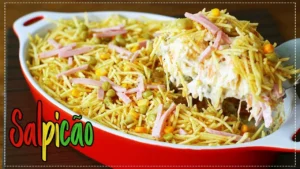
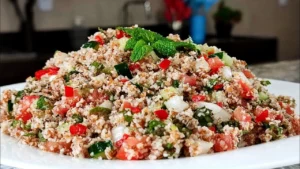
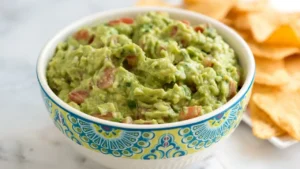
Chopping suits onion, garlic, tomato, bell pepper, carrot, parsley, scallions and cilantro — the base of sautéed seasonings, vinaigrettes, salpicão, farofa, guacamole, tabbouleh and salads. Diced meat for stews and shredded or chopped chicken for fillings go through similar cuts.
Watery eyes when chopping onion come from gases released by the cut: a sharp knife, which crushes fewer cells, reduces the effect. Separate boards for raw meat and vegetables prevent cross-contamination, a basic kitchen-safety rule. And chopping everything before turning on the heat, with each item in its own little bowl, is the famous mise en place, which prevents rushing and burnt food.
Entradas-e-petiscos
Comidas-orientais
Entradas-e-petiscos


