
Vegan Sesame Bread: Simple and Easy Gluten-Free Recipe
Paes-salgados
Glossário Culinário
Sesame is a small oilseed with a mild, slightly nutty flavor, widely used in Brazilian and international cooking to add texture, aroma and finish to breads, savory snacks and Asian dishes. It is sold hulled, unhulled, toasted or as a paste, and each form changes the flavor and function in the recipe.
Sesame is a small, oval, flattened seed found in cream, golden, brown and black colors. The unhulled version has stronger flavor and firmer texture, while the hulled version is softer and lighter. When toasted in a dry skillet or in the oven, sesame releases its natural oils and gains an intense toasty aroma. The paste made from the ground seed, known as tahini, has a creamy consistency and full flavor. Because it contains natural oils, sesame should be kept in a sealed container in a cool place so it does not go rancid.
For topping and crunch, golden flaxseed or sunflower seeds work well on breads and salads, with similar texture. In creamy pâtés and sauces, unsweetened peanut butter or cashew cream give body similar to tahini, though the flavor turns out different. Anyone allergic to sesame should read labels carefully, as it shows up in breads, bars and factory-made sauces.
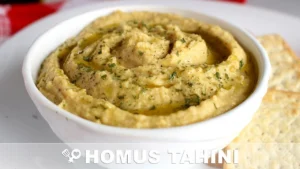
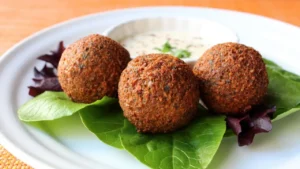
Black sesame is widely used in Japanese and Chinese cooking to decorate sushi, sweet breads and desserts, besides giving visual contrast to the dish. In Brazil, it appears both in homemade recipes, such as breads and savory peanut brittle (paçoca), and in dishes of Arab and Asian origin, such as sfihas and hummus. A practical tip is to toast a larger batch at once and keep it in a sealed container, since freshly toasted sesame has a far more striking aroma than raw.
Paes-salgados
Entradas-e-petiscos
Comidas-orientais


