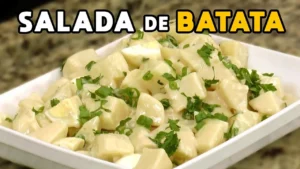
Potato Salad with Mayonnaise: Complete Recipe in 8 Steps
Saladas
Glossário Culinário
Mayonnaise is a creamy emulsion traditionally made with eggs, oil, salt and a touch of acidity from vinegar or lemon. With a smooth texture and mild flavor, it binds ingredients, adds creaminess and moistens preparations, forming the base of salads, sandwiches, pâtés and cold sauces across Brazil.
The creaminess comes from emulsion: oil dispersed in fine droplets through the water phase, stabilized by the yolk. Homemade is fresher and more delicate, but requires eggs from a good source and quick consumption under refrigeration. Industrial mayonnaise is firmer, standardized and preserved, practical for parties and large amounts. A good mayonnaise is glossy, full-bodied, with no separated liquid and balanced acidity. Once opened, always keep refrigerated, respect the label’s shelf life, and never leave mayonnaise salads out of refrigeration for long.
In salads and pâtés, plain yogurt, creamy ricotta or cream cheese-style requeijão give creaminess with less fat, adjusting salt and lemon. For an egg-free version, blend ice-cold milk with oil until emulsified or use ready-made vegan mayonnaise. In sandwiches, cream cheese and seasoned butter moisten well. If homemade mayonnaise breaks, start over with a fresh yolk and add the curdled mixture little by little, beating nonstop until it firms up again.
All ingredients emulsify better at room temperature, and the oil must stream in thinly at first so the mixture does not split. The acidity of lemon or vinegar, besides flavor, helps stability and a lighter color. At parties, keep mayonnaise platters over ice or refrigerated until serving, for safety and to preserve texture.
Saladas
Entradas-e-petiscos

Carnes


