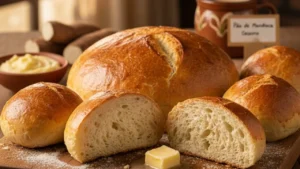
Homemade cassava bread: budget-friendly soft recipe for 2026
Paes-salgados
Glossário Culinário
Kneading means working dough with your hands, folding, pressing, and stretching rhythmically until it turns smooth, elastic, and soft. The motion develops the wheat flour gluten network, which traps fermentation gases and gives bread an airy crumb and firm crust. It is the step that turns a sticky mix of flour, water, yeast, and salt into an obedient dough that stretches without tearing. Cassava bread, pita bread, naan, and homemade pizzas depend on good kneading to rise properly.
Kneading calls for a lightly floured counter, patience, and steady rhythm, usually about ten minutes by hand. At first the dough sticks and seems wrong; gradually, it leaves the hands and gains a smooth surface. Too much extra flour dries it out, so ideally use minimal added flour. The classic doneness test is the windowpane test: a small piece stretched between the fingers forms a thin membrane without tearing. Well-kneaded dough springs back slowly when poked, a sign of elasticity ready to rest and ferment.
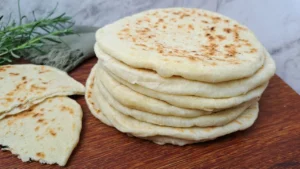
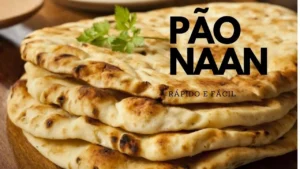
Kneading serves homemade breads, filled breads, pizzas, sfihas, focaccias, and savory baked-dough snacks made with active dry yeast. Cassava and potato breads call for careful kneading, as the tubers’ moisture leaves the dough softer. Pita and naan, rolled into thin discs after kneading, puff in the heat and form the inner pocket. Even long-rested doughs benefit from a few minutes of initial kneading to organize structure.
Bakers say dough tells you when it is ready: it changes sound, leaves the counter, and turns almost glossy on the surface. Short rests during kneading help, because the flour finishes hydrating and the dough relaxes. And the reverse also holds: over-kneading can leave dough tough and hard to roll out.
Paes-salgados
Entradas-e-petiscos
Comidas-asiaticas


