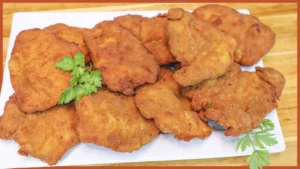
Breaded Beef Steak (Bife à Milanesa): Traditional Step-by-Step Recipe
Carnes
Glossário Culinário
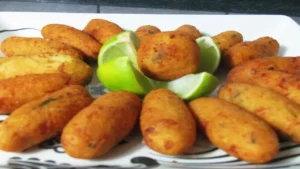
Frying means cooking food in very hot fat, such as oil, olive oil, butter or lard, until golden and crispy outside and tender inside. The intense heat of the fat transfers energy quickly and evenly, creating a crust that seals in the food’s juices. It is the technique behind street-market pastel, coxinha, salt-cod fritters, french fries and breaded steak (milanesa).
The key point of frying is the fat temperature, generally between 340°F and 350°F (170°C to 180°C) for most savory snacks. Fat that is too cool soaks the food, which absorbs oil and turns soft and heavy. Fat that is too hot burns the crust before the inside cooks. Other classic precautions are not crowding the pan, so the temperature does not plummet; drying the food well before frying, to avoid splattering; and draining on a metal rack or paper towels right after.
Frying shows up in party snacks, breaded foods, fritters, pastries, potatoes, cassava, bananas, milanesa-style vegetables and fried eggs. It is also used in sweets such as bolinho de chuva (Brazilian rain cookies), bakery sonho (Brazilian doughnuts) and rabanada (Brazilian French toast). Breaded meats gain protection from the flour or breadcrumb crust, which browns without letting the meat dry out.
When the fat starts foaming a lot, darkening or giving off a strong smell, it is time to change it, since degraded oil passes off-flavors to the food. And patting food dry with paper towels before frying reduces dangerous hot-oil splatters.