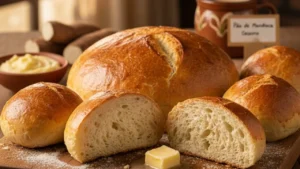
Homemade cassava bread: budget-friendly soft recipe for 2026
Paes-salgados
Glossário Culinário
Fermenting means letting dough rest so yeast turns the flour’s sugars into gas and aromas, making dough rise and gain flavor. It is the step that separates soft, light bread from heavy, dense dough, and it sits at the heart of recipes like homemade cassava bread, pita bread and vegan whole-wheat bread.
Fermentation depends on three factors: the leavening agent, temperature and time. Dry or fresh biological yeast needs lukewarm liquid and a little sugar to wake up, while baking powder reacts at once with the oven’s heat and needs no rest. The ideal environment is warm and draft-free, like a switched-off oven with the light on or a sheltered kitchen corner. The sign it worked is dough doubled in volume, full of bubbles, springing back slowly when gently pressed with a finger.
Fermenting is mandatory in homemade breads, sweet breads, pizzas, sfiha and panettone, and shows up briefly in biological-yeast cakes and fried doughnuts. In practice, the dough is kneaded first to develop gluten, rests until doubled in size, is shaped, then rests again more briefly before baking. That second, shorter rest is what makes a fluffy crumb and golden crust.
Water that is too hot kills yeast: the liquid should be just lukewarm, comfortable to the finger. Salt in direct contact with dry yeast weakens fermentation, so it goes in mixed with the flour. And over-proofed dough, sunken with a strong alcohol smell, rarely recovers; best to watch the volume instead of following the clock strictly.
Paes-salgados
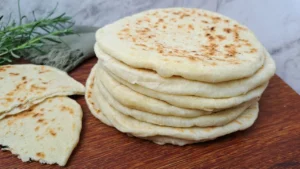
Entradas-e-petiscos
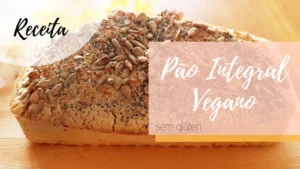
Paes-salgados


