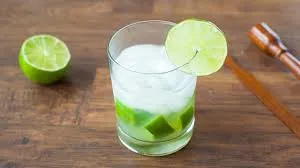
Caipirinha: Easy Brazilian Cocktail Recipe Step by Step
Bebidas-e-smoothies
Glossário Culinário
Cachaça is the Brazilian spirit obtained from fermenting and distilling sugarcane juice, usually 38%–48% alcohol by volume. In the kitchen, it is the soul of the caipirinha and the quentão, and it flavors desserts, marinades and flambéed dishes with its signature cane aroma.
The main styles change the flavor of recipes:
Versions aged in oak, amburana or jequitibá bring notes of vanilla, spice and coconut that carry into dishes.
The most famous use is the caipirinha, shaken with lime, sugar and ice, plus variations with passion fruit, strawberry and cashew fruit. In winter, cachaça warms the June-festival quentão with ginger, cinnamon and cloves. In desserts, it goes into cake syrups, adults-only brigadeiros, bananada and compotes. In savory cooking, it flavors pork marinades, light feijoadas with a finishing touch and flambéed shrimp.
In the caipirinha, the closest swap is vodka, which makes a caipiroska with a more neutral flavor. In marinades and flambés, white rum is the natural substitute since it also comes from cane. For alcohol-free versions, use lime juice with sparkling water and dissolved rapadura in drinks, or broth with drops of lime in marinades, knowing cachaça’s aroma can’t be reproduced.
Cachaça is considered Brazilian heritage and a typically Brazilian denomination, produced across the country for centuries. In the caipirinha, muddle the lime gently so the white pith doesn’t turn bitter, and prefer well-dissolved refined sugar. To flambé safely, warm the spirit first, tilt the pan away from your body and never pour straight from the bottle over the flame.
Bebidas-e-smoothies
Bebidas-e-smoothies

Festa-junina


