
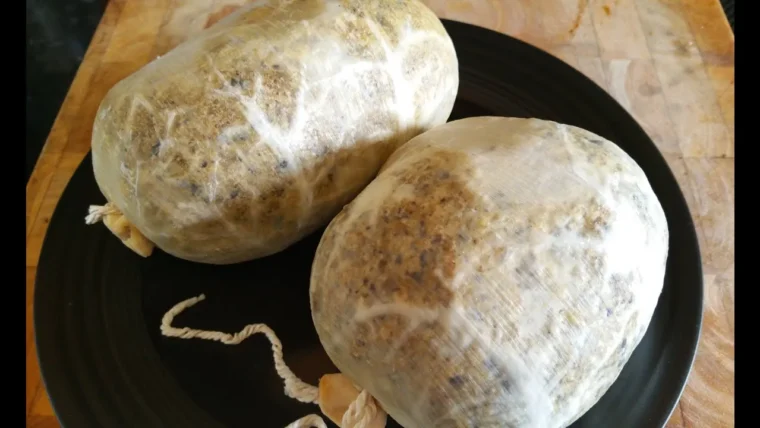
Haggis: Traditional Scottish Step-by-Step Recipe
Introduction
It is a traditional Scottish dish that often sparks curiosity and fascination. Known for its unique preparation and unusual ingredients, haggis is a cultural symbol of Scotland, frequently associated with the celebrations honoring the poet Robert Burns, known as Burns Night. Despite its reputation, haggis is a delicious and nutritious dish that deserves to be enjoyed by everyone.
In this article, we will explore the history and cultural importance of haggis, provide a detailed recipe for those who want to try making it at home, and discuss traditional variations and accompaniments. We will also include a nutrition table for those who care about the nutritional aspects of this Scottish delicacy. Let us dive into the world of haggis and discover what makes this dish so special.
History and Cultural Importance
Origin and Evolution
The Haggis is a dish that dates back centuries and has deep roots in Scottish culinary history. It is traditionally made from sheep offal (such as heart, liver, and lungs), finely chopped and mixed with onion (finely chopped), oats, suet, and spices. This mixture is then placed inside a sheep’s stomach and cooked for several hours. Haggis is believed to have been created as a practical way to use every part of the animal, avoiding waste and providing a nutrient-rich meal.
Burns Night
Haggis gained cultural prominence mainly because of its association with Robert Burns, the famous 18th-century Scottish poet. In Scotland, it is traditional to celebrate Burns’s birthday, known as Burns Night, on January 25. During this celebration, it is customary to recite Burns’s poem Address to a Haggis before serving the dish. The event includes a ceremony in which the haggis is carried to the table to the sound of bagpipes, cut ceremonially, and served with traditional accompaniments such as neeps and tatties (mashed turnips and potatoes).
Recipe
Below is an authentic Haggis recipe, adapted for making at home. Keep in mind that preparing haggis requires specific ingredients, which can be found in specialty stores or markets that sell Scottish products.
Ingredients
-
Sheep heart: 1 (good quality)
-
Sheep liver: 1 (good quality)
-
Sheep lung: 1
-
Sheep stomach: 1 (optional, for the traditional presentation)
-
Onion: 2 units, (finely chopped)
-
Coarse oats: 7 oz (200 g, about 2 cups)
-
Suet: 3.5 oz (100 g)
-
Salt: 1 teaspoon
-
Black pepper: 1 teaspoon
-
Allspice: 1/2 teaspoon
-
Beef stock: 2 cups (500 ml)
-
Vegetable oil: 2 tablespoons (olive oil works too)
-
Fresh herbs: Parsley and thyme, to taste
Directions
Preparing the Ingredients
-
Preparing the Meats:
-
Wash the sheep heart, liver, and lung well. Place them in a large pot with salted water and boil for about 2 hours. Remove and let cool.
-
Chop all the meats very finely or grind them with a meat grinder. Set aside.
-
Toasting the Oats:
-
In a skillet, heat the vegetable oil (olive oil works too) and lightly toast the oats until golden and fragrant. Set aside.
-
Preparing the Filling:
-
In a large bowl, combine the ground meat, oats, chopped onion (finely chopped), suet, salt, pepper, and allspice. Add the beef stock gradually, until the mixture is moist but not runny. Add the chopped fresh herbs.
-
Assembling:
-
If using the sheep’s stomach, wash it well and turn it inside out. Fill it with the meat and oat mixture, leaving room for expansion during cooking. Sew the opening shut with a needle and sturdy thread. If you prefer, you can use a baking dish or a food-safe cooking bag instead.
-
Cooking:
-
Place the haggis in a large pot of boiling water. Reduce the heat and cook for about 3 hours, making sure the haggis stays covered with water at all times. Prick the haggis occasionally to release steam and keep it from bursting.
-
Serving:
-
After cooking, remove the haggis from the water and let it rest for a few minutes before cutting. Serve hot with neeps and tatties and a glass of Scotch whisky for an authentic experience.
Yield and Prep Time
-
Yield: Serves 4 to 6 people.
-
Prep time: Approximately 30 minutes.
-
Cook time: 3 hours.
-
Total time: About 3 hours and 30 minutes.
Variations
Although traditional haggis is made with sheep meat, there are several variations that can be adapted to personal taste or dietary preferences:
-
Vegetarian Haggis: Replace the meat and suet with a combination of lentils, beans, and vegetables, keeping the oats and spices.
-
Chicken Haggis: Use ground chicken instead of sheep meat for a lighter version.
-
Venison Haggis: For a gourmet touch, try using venison, which offers a robust and distinctive flavor.
Accompaniments and Serving Suggestions
Haggis is traditionally served with neeps and tatties, which are mashed turnips and potatoes, respectively. Other popular accompaniments include:
-
Whisky Sauce: A creamy sauce made with Scotch whisky, perfect for pouring over the haggis.
-
Peas and Carrots: Steamed vegetables make a light and colorful side dish.
-
Scotch Whisky: A haggis meal is often accompanied by a good Scotch whisky, to toast the occasion.
Nutrition Facts
| Nutrient | Amount per serving (approx.) |
|---|---|
| Calories | 400 |
| Carbohydrates | 30g |
| Protein | 15g |
| Fat | 25g |
| Dietary Fiber | 5g |
| Sugars | 3g |
| Sodium | 800mg |
| Calcium | 6% DV* |
| Iron | 10% DV* |
*DV: Daily Values based on a 2,000-calorie diet.
Conclusion
It is more than a traditional dish; it is a vital part of Scottish culture, carrying centuries of history and tradition with it. Although it may seem exotic to some, haggis is a rich and flavorful culinary experience worth trying. Whether to celebrate Burns Night or simply to explore a new cuisine, haggis offers a unique and unforgettable gastronomic journey.
Share this recipe
If you enjoyed this recipe, share it with your friends and family! They will love trying an authentic Scottish dish and enjoying a meal rich in tradition and flavor.
Liked it? See more recipes like this on our website or join our group on Facebook.


💬 Comentários (0)
Deixe sua teoria ou opinião sobre esta matéria.
Nenhum comentário por enquanto. Seja o primeiro a comentar!