
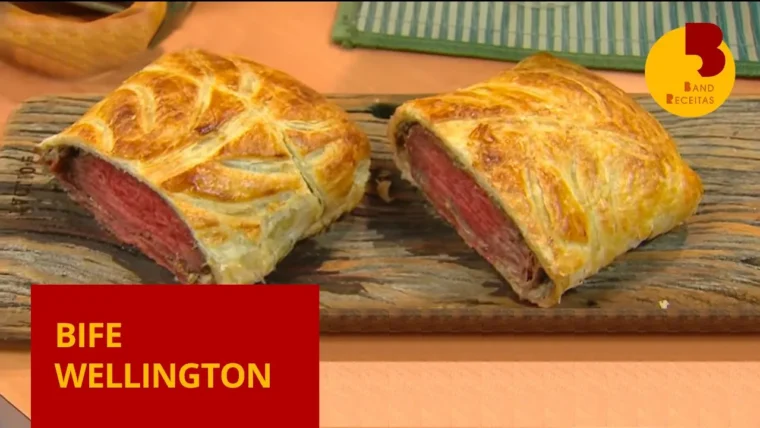
Beef Wellington: Traditional Step-by-Step Recipe
Introduction
Beef Wellington is one of the most iconic and refined dishes in international cuisine. With a rich history and an impressive presentation, this recipe features a juicy beef tenderloin coated with a layer of pâté, often foie gras pâté, and a mushroom duxelles, all wrapped in golden, crisp puff pastry. The combination of flavors and textures makes Beef Wellington a popular choice for special occasions and celebrations.
In this article, we will explore the history of Beef Wellington, discuss its key ingredients, and share a detailed recipe so you can prepare this classic in your own kitchen. We will also cover tips to guarantee success and variations you can try. At the end, we include a nutrition table and invite you to share this delicious recipe with your friends and family.
History and Origin of Beef Wellington
Beef Wellington has an origin shrouded in mystery and debate. One popular theory says the dish was named after the Duke of Wellington, Arthur Wellesley, who defeated Napoleon Bonaparte at the Battle of Waterloo in 1815. Another version suggests the name comes from a town in New Zealand. Despite these theories, there is no hard evidence proving its origin.
Whatever its origin, Beef Wellington has earned worldwide fame and become a symbol of sophistication and high-end cooking. The dish is especially popular in the United Kingdom and the United States, where it is often served in fine restaurants and on special occasions.
Key Ingredients
Quality ingredients are key to a successful Beef Wellington. Here are the main components needed to prepare this delicacy:
Ingredients
-
Beef tenderloin: 1 piece of about 1 kg (2.2 lb), good quality
-
Mushrooms: 250g (8.8 oz) fresh mushrooms, good quality, finely chopped
-
Foie gras pâté or chicken liver pâté: 100g (3.5 oz) (optional)
-
Prosciutto (Parma ham): 8 thin slices
-
Puff pastry: 1 large sheet, thawed if needed
-
Dijon mustard: 2 tbsp
-
Egg yolks: 1, beaten, for brushing
-
Olive oil: 2 tbsp (vegetable oil works too)
-
Onion: 1 small, finely chopped
-
Garlic: 2 cloves, finely chopped
-
Fresh thyme: 1 tsp
-
Salt and pepper: To taste
Beef Wellington Recipe
Preparation
-
Prepping the ingredients:
-
Preheat the oven to 400°F (200°C). Season the tenderloin with salt and pepper. Heat a large skillet with olive oil (or vegetable oil) and sear the tenderloin on all sides until browned. Remove from the heat and brush the meat with Dijon mustard. Let cool.
-
Mushroom duxelles:
-
In the same skillet, add a little more oil and sauté the onion and garlic (finely chopped) until translucent. Add the chopped mushrooms and thyme. Cook over medium heat until the mushroom liquid has fully evaporated and the mixture is dry. Season with salt and pepper. Let cool.
-
Assembly:
-
On a flat surface, lay out plastic wrap. Arrange the prosciutto slices over the wrap, forming a layer. Spread the mushroom duxelles over the prosciutto. Place the tenderloin in the center and, using the plastic wrap, roll everything up tightly into a parcel. Refrigerate for 15 minutes to firm up.
-
Wrapping in puff pastry:
-
Roll out the puff pastry on a floured surface. Take the beef parcel out of the refrigerator and unwrap it. Place the beef on the puff pastry and roll up, sealing the edges with beaten egg yolk. Make sure the pastry is well sealed. Brush the whole surface with more egg yolk for a golden finish when baked.
-
Baking:
-
Place the Beef Wellington on a baking sheet and transfer to the preheated oven. Bake for about 25-30 minutes for medium-rare tenderloin, or until the puff pastry is golden and crisp. Rest for 10 minutes before slicing.
Yield
This Beef Wellington recipe serves about 6 people.
Prep Time
-
Prep time: 30 minutes
-
Cook time: 30 minutes
-
Total time: 1 hour
Tips for a Successful Beef Wellington
-
Choosing the tenderloin: Use a high-quality beef tenderloin for tenderness and flavor.
-
A perfect sear: Sear the meat well so the juices do not run out during cooking.
-
Puff pastry: Make sure the puff pastry is well sealed to prevent juices from leaking during baking.
-
Resting time: Let the Beef Wellington rest before slicing so the juices redistribute through the meat.
Beef Wellington Variations
Although the traditional recipe uses beef tenderloin, there are several variations to explore:
-
Salmon Wellington: Replaces the beef with salmon, for a lighter option.
-
Vegetarian: Use Portobello mushrooms or other vegetables as the base, replacing the beef tenderloin.
-
Mini Beef Wellington: Make individual servings using small pieces of tenderloin.
What to Serve with Beef Wellington
Beef Wellington is usually served with sides that complement its rich, complex flavor. Some suggestions include:
-
Mashed potatoes: Creamy and smooth, a perfect match for the beef.
-
Sautéed vegetables: Such as asparagus, carrots or green beans, for a fresh touch.
-
Red wine sauce: A rich sauce that adds depth to the dish.
Nutrition Facts
| Nutrient | Amount per serving (approx.) |
|---|---|
| Calories | 600 |
| Carbohydrates | 35g |
| Protein | 40g |
| Fat | 35g |
| Dietary Fiber | 2g |
| Sugars | 3g |
| Sodium | 700mg |
| Calcium | 4% DV* |
| Iron | 25% DV* |
*DV: Daily Values based on a 2,000-calorie diet.
Conclusion
Beef Wellington is a dish that impresses with both flavor and presentation. Its combination of juicy beef, savory mushrooms and crisp puff pastry makes it a classic choice for celebrations and special occasions. We hope this recipe and these tips have inspired you to prepare this delicacy in your own kitchen.
Share this recipe
If you enjoyed this Beef Wellington recipe, share it with your friends and family! This delicacy is perfect for special moments and can be a great addition to your cooking repertoire.
Enjoyed it? See more recipes like this on our site or join our group on Facebook.


💬 Comentários (0)
Deixe sua teoria ou opinião sobre esta matéria.
Nenhum comentário por enquanto. Seja o primeiro a comentar!