
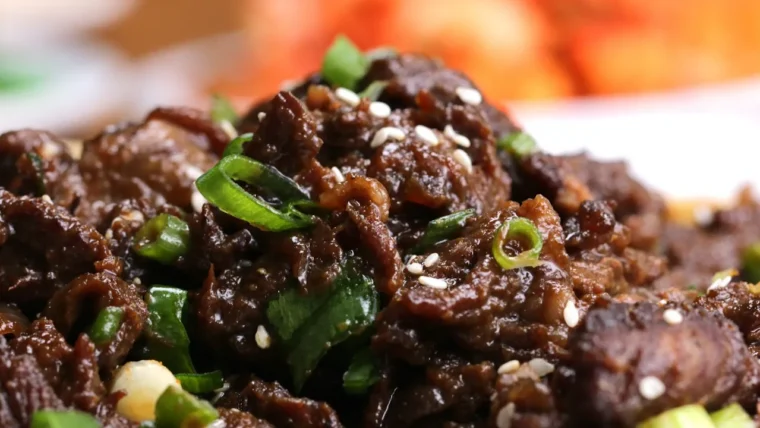
Bulgogi: Traditional Recipe Step by Step (Bulgogi)
Introduction
It is a classic dish of Korean cuisine, widely loved for its rich and savory flavor. The term bulgogi literally translates as fire meat, referring to the technique of grilling marinated meat over flames or a hot grill. Traditionally made with beef, bulgogi is known for its combination of ingredients that balance sweet, salty, and umami flavors.
In this article, we will explore the history of bulgogi, its cultural importance, and provide a detailed recipe so you can recreate this delicious dish at home. We will also cover some variations and tips for serving bulgogi, as well as its typical side dishes. We will also include a nutrition table for those watching their diet. Let us discover what makes bulgogi so special and why it is a favorite around the world.
History and Cultural Importance
Origin and Evolution
It has its roots in the ancient history of Korea, with records dating back to the Goguryeo period (37 B.C. to 668 A.D.). Originally, the dish was known as maekjeok, where meat was grilled on skewers. Over the centuries, bulgogi preparation evolved, incorporating marinating techniques and skewer-free grilling, becoming an integral part of modern Korean gastronomy.
It is not just a popular dish, but also a cultural symbol, representing Koreans’ skill in creating sophisticated dishes with simple ingredients. The marinade, which is a crucial element of bulgogi, is a harmonious blend of soy sauce, sugar, garlic, ginger, and other seasonings that infuse the meat with a deep and complex flavor.
Korean Culture
It is a super versatile dish, often served at family meals and festivals. In restaurants, it is cooked at the table, letting diners grill the meat and eat it on the spot, accompanied by various banchan (side dishes). This experience of cooking and eating together reflects the importance of community and sharing in Korean culture.
Recipe
Here is an authentic recipe for you to make and enjoy at home. The key to perfect bulgogi is the marinade and choosing high-quality meat.
Ingredients
-
Beef: 1.1 lb (500 g) sirloin or top sirloin, cut into thin strips (good quality)
-
Onion: 1 large unit (finely chopped)
-
Garlic: 3 cloves (finely chopped)
-
Fresh ginger: 1 teaspoon, grated
-
Soy sauce: 1/4 cup
-
Brown sugar: 2 tablespoons
-
Sesame oil: 1 tablespoon
-
Scallions: 3 units, chopped
-
Toasted sesame seeds: 1 tablespoon
-
Black pepper: to taste
-
Vegetable oil: 1 tablespoon (olive oil works too)
-
Korean pear: 1/2 unit, grated (optional, to tenderize the meat and add sweetness)
Directions
Preparing the Meat
-
Preparing the Ingredients:
-
Cut the meat into thin strips and place in a large bowl.
-
Add the onion and garlic (both finely chopped), grated ginger, soy sauce, brown sugar, sesame oil, scallions, black pepper, and the grated pear (if using).
-
Marinade:
-
Mix all the ingredients in the bowl, making sure every slice of meat is well coated with the marinade. Cover the bowl with plastic wrap and marinate in the refrigerator for at least 30 minutes, ideally 2 hours to absorb more flavor.
-
Cooking:
-
Heat a large skillet or grill with the vegetable oil (olive oil works too) over medium-high heat.
-
Add the marinated meat and cook for about 5-7 minutes, stirring occasionally, until the meat is well cooked and caramelized at the edges.
-
Finishing:
-
Sprinkle the toasted sesame seeds on top and serve immediately.
Yield and Prep Time
-
Yield: Serves 4 people.
-
Prep time: 10 minutes for the initial preparation, plus 30 minutes to 2 hours for marinating.
-
Cook time: 10 minutes.
-
Total time: Approximately 50 minutes to 2 hours and 20 minutes (depending on marinating time).
Variations
Although traditional bulgogi is made with beef, there are several adaptations worth exploring:
-
Chicken (Dak Bulgogi): Use boneless, skinless chicken breast or thighs. The marinade can include a little red pepper for a spicy kick.
-
Pork (Dwaeji Bulgogi): Pork is an excellent option, usually marinated with a blend that includes Korean red pepper paste (gochujang) for a spicy flavor.
-
Vegetarian: Use firm tofu or shiitake mushrooms as meat substitutes. The marinade stays the same, keeping the authentic flavor.
Side Dishes and Serving Suggestions
Bulgogi is traditionally served with a variety of Korean side dishes known as banchan. Some of the most popular accompaniments include:
-
Kimchi: A fermented dish of cabbage and radish with spicy seasonings.
-
Japchae: Sweet potato noodles stir-fried with vegetables and meat.
-
White rice: Simple and essential alongside the bold flavor of bulgogi.
-
Grilled vegetables: Bell peppers, mushrooms, and onions are excellent options.
Nutrition Facts
| Nutrient | Amount per serving (approx.) |
|---|---|
| Calories | 350 |
| Carbohydrates | 20g |
| Protein | 25g |
| Fat | 15g |
| Dietary Fiber | 2g |
| Sugars | 10g |
| Sodium | 800mg |
| Calcium | 4% DV* |
| Iron | 15% DV* |
*DV: Daily Values based on a 2,000-calorie diet.
Conclusion
Bulgogi is more than just a dish; it is a celebration of Korean cuisine, with its harmonious combination of flavors and textures. Whether made for a family meal or to impress friends at a gathering, bulgogi is a delicious option that always pleases. With its rich history and cultural importance, bulgogi remains a beloved dish enjoyed around the world.
Share this recipe
If you enjoyed this recipe, share it with your friends and family! They will love trying this tasty Korean dish, full of history and tradition.
Enjoyed it? See more recipes like this on our website or join our group on Facebook.


💬 Comentários (0)
Deixe sua teoria ou opinião sobre esta matéria.
Nenhum comentário por enquanto. Seja o primeiro a comentar!