Sururu (Brazilian Mussels): Benefits, How to Clean and Coconut Recipe
Peixes-e-frutos-do-mar
Glossário Culinário
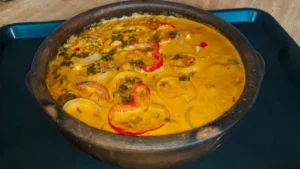
The sururu is a dark-shelled mussel typical of the Northeastern coast, especially Alagoas, where it is a symbol of the local cuisine. With small flesh and a distinctive flavor of the sea, it is the base of broths served as appetizers, moquecas, sautes with coconut milk and seafood dishes.
Sururu lives in mangrove areas and coastal lagoons, attached to rocks and roots. It is harvested and sold fresh, in the shell, or already cooked and shelled. The flesh is small, orange-toned, with an intense taste that needs no heavy seasoning. Cooking is quick: a few minutes are enough, and overcooking makes the flesh rubbery. Before cooking, it needs careful cleaning, rinsing under running water and removing residue from the shell.
The most famous preparation is sururu broth, a full-bodied cream with seasonings and cilantro, served hot in cups or bowls. It also goes into moquecas with coconut milk, peppers and tomato, into sautes with onion and green herbs served with rice and manioc flour, and into versions with dende oil in the Afro-Brazilian cooking tradition.
Beyond the broth, there is sururu moqueca with coconut milk, simple sauteed sururu with lime, sururu escondidinho with mashed cassava and sururu rice, in which the cooking broth becomes the base of the rice. Those who cannot find fresh sururu can adapt the recipes with mussels, which are prepared similarly.
In Alagoas, sururu is so present that it became an identity: markets and seaside restaurants sell the broth as the calling card of the local cooking. As a coastal-water shellfish, its quality depends on origin, so buy from trusted suppliers and eat it well cooked, a practice that also enhances the flavor of the broth.
Peixes-e-frutos-do-mar
Peixes-e-frutos-do-mar
Entradas-e-petiscos


