
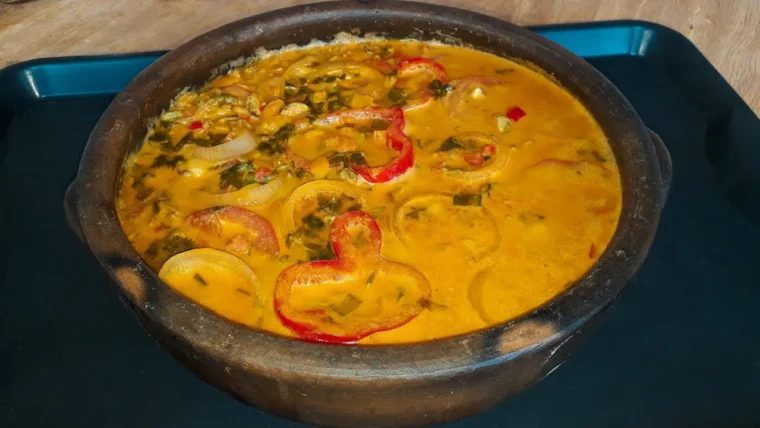
Sururu (Brazilian Mussels): Benefits, How to Clean and Recipes
Introduction
Sururu is a saltwater mussel highly prized in Northeastern Brazil — especially in Alagoas, Pernambuco and Bahia — rich in protein and iron, and low in fat, used in broths, moquecas, stews and farofas. The secret to bold flavor without bitterness is in the cleaning: soak it in water with lime and change the water a few times before cooking. See how to clean it and the best recipes below.
In this article, we explore its characteristics, cultural origins and a detailed recipe for you to make at home. We also include tips for choosing the best-quality sururu, plus information about its health benefits. Finally, we present an FAQ to answer common questions about preparing and eating this mussel.
What Is Sururu?
It is a small bivalve mollusk found mainly in mangrove, estuary and lagoon regions. It is widely eaten in Northeastern Brazil, where it is considered an essential ingredient in many traditional recipes. Sururu is known for its salty flavor and soft texture, which makes it ideal for dishes that celebrate seafood flavors.
In cooking, it can be used fresh or frozen, with or without the shell. It is commonly found in fish markets in coastal regions, where it is sold by weight. Its intense flavor is a hallmark, and for this reason it is usually combined with strong seasonings such as garlic, onion, cilantro and bell pepper.
Cultural Origins
Its consumption in Brazil has deep roots in Afro-Brazilian culture, particularly among quilombola and riverside communities in the Northeast. Traditionally, sururu was hand-harvested by artisanal fishermen who used it as a staple food, especially in communities near mangroves and lagoons.
Over the centuries, it has become a symbolic ingredient of Northeastern cuisine, featured in popular festivals and religious rituals. Dishes such as sururu moqueca and sururu broth are often served at celebrations and family gatherings, carrying on the cultural legacy of this mussel.
Nutritional Benefits
Besides being delicious, it offers a number of health benefits. This mussel is an excellent source of protein, particularly rich in essential amino acids that are fundamental for tissue growth and repair. In addition, sururu is a good source of B-complex vitamins, such as vitamin B12, which is essential for red blood cell production and proper nervous system function.
It is also rich in minerals such as iron, which helps prevent anemia, and magnesium, which is important for bone and muscle health. Moreover, as a marine food, sururu contains omega-3 fatty acids, known for their cardiovascular health benefits.
Nutritional Benefits at a Glance
-
Rich in high-quality protein
-
Source of B-complex vitamins, especially B12
-
Contains essential minerals such as iron and magnesium
-
Provides heart-healthy omega-3 fatty acids
Traditional Coconut Recipe
One of the most traditional and delicious ways to prepare sururu is cooked with coconut milk and fresh seasonings. This dish, known as Sururu with Coconut Milk (Sururu ao Coco), is a true celebration of Northeastern flavors, combining its unique taste with the creaminess of coconut milk.
Ingredients
-
Fresh sururu (or frozen): 2.2 lb (1 kg), good quality
-
Onion: 1 medium unit, finely chopped
-
Garlic: 3 cloves, finely chopped
-
Green bell pepper: 1/2 unit, diced small
-
Tomato: 2 medium units, seeded, diced small
-
Coconut milk: 1 2/3 cups (400 ml), good quality
-
Fresh cilantro: 1/2 bunch, chopped
-
Vegetable oil: 2 tablespoons (olive oil also works)
-
Salt: to taste
-
Black pepper: to taste
-
Lime juice: 1 unit
-
Water: 1/2 cup (or more, if needed)
Directions
Prepping
-
Cleaning:
-
If using it fresh, rinse it well under running water to remove any sand residue. Drain in a colander and set aside.
-
If using frozen, thaw it before starting.
-
Marinade:
-
In a bowl, season with salt, black pepper and lime juice. Let marinate for about 20 minutes while you prepare the other ingredients.
Cooking
-
Sauté:
-
In a large pot, heat the vegetable oil (olive oil also works) and sauté the onion (finely chopped) and garlic (finely chopped) until golden and fragrant.
-
Adding the Vegetables:
-
Add the green bell pepper and tomato diced into cubes. Cook over medium heat, stirring occasionally, until the vegetables are soft and well blended into the sauté.
-
Cooking the Sururu:
-
Add it to the pot and mix well with the sautéed vegetables. Cook for about 5 minutes, until it starts to release its natural liquid.
-
Stirring in the Coconut Milk:
-
Pour the coconut milk over the sururu and add the water. Mix well and cook over low heat for 10 more minutes, or until the sauce thickens slightly.
-
Finishing:
-
Adjust with salt and black pepper if needed. Turn off the heat and add the chopped fresh cilantro, mixing well.
Serving
-
Service:
-
Serve the coconut sururu hot, with white rice and a crunchy farofa. For an even more authentic presentation, garnish with a few fresh cilantro leaves.
Tips for Perfect Sururu
-
Choosing Ingredients: For the best flavor, use fresh sururu and good-quality coconut milk. Fresh ingredients make all the difference in the final result.
-
Cooking Time: Avoid overcooking sururu, as it can turn tough. Cook only until it is tender and fully cooked.
-
Pairing: This dish pairs very well with a light white wine or a cold beer, which help balance the intense flavors of sururu and coconut milk.
Yield and Prep Time
-
Yield: Serves 4 to 6 people
-
Prep Time: 20 minutes
-
Cook Time: 25 minutes
-
Total Time: About 45 minutes
Nutrition Facts
| Nutrient | Amount per serving (100g) |
|---|---|
| Calories | 120 kcal |
| Protein | 10 g |
| Total Fat | 8 g |
| Saturated Fat | 5 g |
| Carbohydrates | 4 g |
| Fiber | 1 g |
| Sodium | 180 mg |
Conclusion
It is an ingredient deeply rooted in Northeastern culture and cuisine, bringing not only rich and unique flavors but also a historical and emotional connection with the people of the region. Cooking dishes with sururu is a way to explore the diversity of Brazilian cuisine and to enjoy one of the most authentic and tasty delicacies of our coast.
Share this recipe
How about trying this delicious coconut sururu recipe and sharing it with your friends and family? They will certainly love the combination of flavors that only sururu can deliver.
Liked it? See more recipes like this on our website or join our Facebook group.
FAQ – Questions and Answers
What is sururu?
Sururu is a bivalve mollusk typical of the coastal regions of Northeastern Brazil.
It is widely used in local cuisine in dishes such as broths, moquecas and stews.
How do I choose good sururu?
To choose good sururu, prefer fresh ones with a pleasant smell and no sand residue. If you opt for frozen sururu, check that it is well preserved with no signs of prior thawing.
Can I use frozen sururu in the recipe?
Yes, frozen sururu can be used in the recipe, as long as it is properly thawed before cooking. Be sure to follow the thawing instructions to ensure the quality of the dish.
What is the best way to serve it?
Coconut sururu can be served with white rice, farofa and a fresh salad. It is a perfect combination for a complete and balanced meal.
Is it healthy?
Yes, sururu is an excellent source of protein, vitamins and minerals, and it contains omega-3 fatty acids, which benefit cardiovascular health.


💬 Comentários (0)
Deixe sua teoria ou opinião sobre esta matéria.
Nenhum comentário por enquanto. Seja o primeiro a comentar!