Perfect Brazilian Cream Donuts (Sonhos): Easy Recipe for Light Dough and Creamy Filling
Paes-salgados
Glossário Culinário
Sugar is the most common sweetener in Brazilian cooking, obtained mainly from sugarcane and, on a smaller scale, from sugar beet. It sweetens cakes, sweets, syrups and drinks, and also contributes to dough structure and the browning of baked goods.
The most common types on the market vary in color, grain size and flavor:
In baking, sugar sweetens and gives structure to cakes, pies, puddings, brigadeiros and jams, and forms syrups, caramels and egg threads (fios de ovos). In yeasted breads and doughs, it feeds the yeast and helps crust color. In savory cooking, a pinch balances tomato-sauce acidity and enhances seasonings in marinades and sweet farofas.
Among types, refined can be swapped for crystal or demerara in most recipes, with small texture adjustments. Muscovado replaces refined when a deeper flavor is wanted, as in spice cakes. Honey, grated rapadura and coconut sugar also sweeten well, but change flavor and moisture. Baking-specific sweeteners work in some recipes, yet change the structure of airy batters.
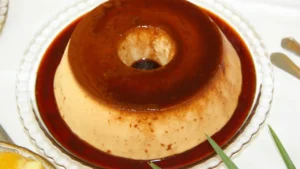
Sugarcane arrived in Brazil in the colonial period and made the country one of the world’s largest producers. In the pantry, store sugar in a tightly closed jar, away from moisture: it cakes easily, and muscovado dries out if left exposed. To caramelize without bitterness, melt over low heat and don’t stir once it starts browning.