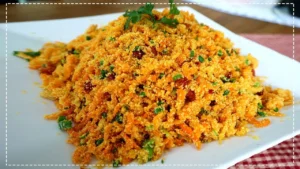
Carrot Farofa: Simple Crispy Recipe (Farofa de Cenoura)
Entradas-e-petiscos
Glossário Culinário
Sautéing means cooking ingredients in a little hot fat, stirring constantly, until they wilt and release aroma. It is the base of countless Brazilian dishes, like rice, beans, farofas and sauces, because the sauté is where a recipe’s first layer of flavor is built.
Sautéing uses a pot or skillet over medium heat, with a thin layer of oil, olive oil, butter or lard. The most common ingredients at this stage are onion, garlic, bell pepper, tomato and green herbs, added in order: first what takes longest to wilt, like onion, and last garlic, which burns easily. The right point is when the onion turns translucent and soft, without browning too much. Unlike frying, sautéing does not aim for a crispy crust, and unlike boiling, it uses little water, only the liquid the vegetables release.
The sauté can vary in fat and seasoning: olive oil with garlic for a Mediterranean profile, butter with onion for milder sauces, or oil with colorau for reddish dishes. Over slightly higher heat and with less stirring, the sauté becomes a stir-fry, with crunchier vegetables. With more liquid and a lid, it approaches a light stew. For fat-free versions, onion and vegetables can wilt in a splash of water or stock, stirring constantly, though the flavor turns milder.
The order of seasonings matters: garlic goes in after onion because it burns in seconds and makes the dish bitter. A pinch of salt at the start helps vegetables release water and wilt faster. An overcrowded pan cools down and ingredients start steaming instead of sautéing, so the ideal is not to overload the pan and keep steady medium heat.
Entradas-e-petiscos
Entradas-e-petiscos

Arroz-e-risotos


