Teriyaki Chicken: Easy Step-by-Step Recipe
Aves
Glossário Culinário
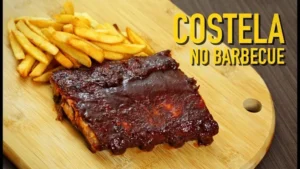
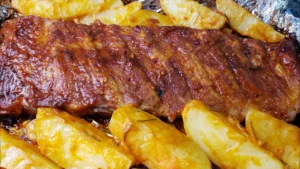
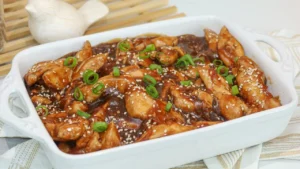
Reducing means cooking a liquid over low heat, with the pan uncovered, until part of the water evaporates and the sauce turns thicker and tastier. It is what turns a thin sauce into a coating that clings to food, like the sweet-savory glaze of teriyaki chicken and the homemade barbecue sauce served with spare ribs.
Reduction happens over medium to low heat, always without a lid, so steam can escape. The ideal point is when the sauce coats the back of a spoon and, when you run a finger through it, the line takes a while to close. Salt goes in only at the end, because flavor concentrates along with the liquid and a sauce seasoned at the start ends up too salty. Stirring now and then keeps it from sticking to the bottom, and a wide pan speeds things up by increasing the evaporation surface.
Reducing works for pan sauces made with meat drippings, like teriyaki and barbecue, for stocks that become soup and risotto bases, for dessert syrups and for the meat cooking liquid that turns into sauce at serving time. It is also the base of sweet-savory sauces, in which soy sauce, sugar and vinegar simmer together until they gain body and shine.
Reduction cannot be rushed over high heat: too fierce a boil leaves the sauce cloudy with a burnt taste around the edges. If it goes too far and turns too salty or too thick, a little hot water usually saves it. And reduced sauce keeps thickening as it cools, so the ideal is to take it off the heat an instant before it reaches the desired point.