Eggplant Pizza: Traditional Step-by-Step Recipe
Pizzas
Glossário Culinário
The eggplant is a vegetable with glossy purple skin and pale, spongy flesh, the base of dishes such as caponata, moussaka, ratatouille, vegetable lasagnas and pizzas. With mild flavor, it absorbs seasonings, olive oil and sauces well, turning creamy when roasted or cooked.
Fresh eggplant has smooth, firm skin with no wrinkles, and a green stem. The raw flesh is porous and darkens quickly once cut, so ideally slice close to cooking time or sprinkle with lemon. A classic step is to salt the slices and let them rest to draw out some liquid and bitterness, rinsing and drying before cooking. Cut into rounds, cubes or lengthwise slices, it adapts to grilling, roasting and frying.
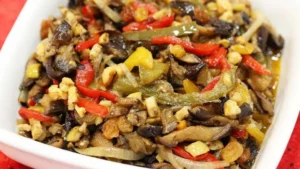
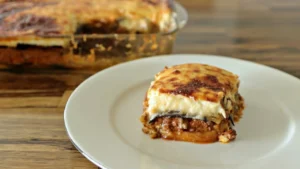
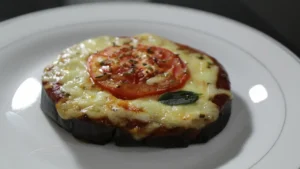
Eggplant goes well grilled, roasted, stuffed, breaded or layered, as in moussaka and vegetable lasagna. In Italian caponata, it is sautéed with bell peppers, onion, olives and sweet-and-sour vinegar. In ratatouille, it shares the pot with zucchini, tomato and herbs. It also works as a pizza base, in antipasti with olive oil and oregano, and in spreads such as babaganoush. It pairs with tomato, garlic, basil, cheeses and ground meats.
In layered bakes and grills, zucchini is the closest substitute, with soft texture and quick cooking. In sautés and caponatas, bell peppers and mushrooms help build volume and flavor. For versions with less frying, swapping fried eggplant for roasted keeps the dish light without losing creaminess. In fillings, chayote and jiló change the flavor a lot and should be used only when the concept allows.
Eggplant absorbs a lot of oil when fried, so brushing with olive oil and roasting in a hot oven usually makes for a lighter dish. Drying the slices well before grilling helps them brown instead of steaming. Stored in a cool, airy place or in the refrigerator, it keeps for a few days, but loses firmness if stored too long.