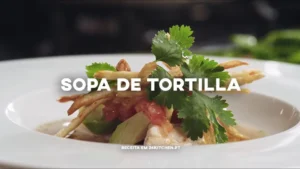
Tortilla Soup: Traditional Mexican Recipe Step by Step
Sopas-e-caldos
Glossário Culinário
Boiling means preparing food in hot liquid, such as water, broth, or milk, until it reaches the desired texture. It is the method behind fluffy rice, tender beans, hearty soups, and perfectly cooked pasta — and mastering its basics solves much of everyday cooking.
Boiling uses heat transfer through water or broth, over heat that can range from a gentle simmer to low and steady. Each food has its doneness: pasta asks for plenty of boiling salted water, grains like rice and beans ask for measured water and controlled time, and vegetables ask for short times to keep color and firmness. Seasoning the water with salt, herbs, or broth changes the food’s final flavor, as it absorbs liquid while cooking. Draining at the right moment and, for pasta, saving some cooking water to adjust sauces are small steps that make a big difference.
Boiling comes in degrees: a full rolling boil for pasta, gentle heat with light bubbles for soups and stews, and steaming over boiling water for vegetables that must keep shape and color. The pressure cooker speeds up beans and tough meats. After boiling, many dishes move on to another technique: pasta goes to the sauce, vegetables to the sauté pan, and meat to the oven to brown.
Starting in cold or boiling water changes the result: grains and meats for broth go into cold water to release flavor slowly, while pasta goes into already-boiling water so it does not stick. Salting pasta water seasons the noodles from within, something sauce alone cannot do. And tasting the food in the final minutes is more reliable than watching the clock, since timing varies with piece size and heat intensity.
Sopas-e-caldos

Arroz-e-risotos
Sopas-e-caldos


