
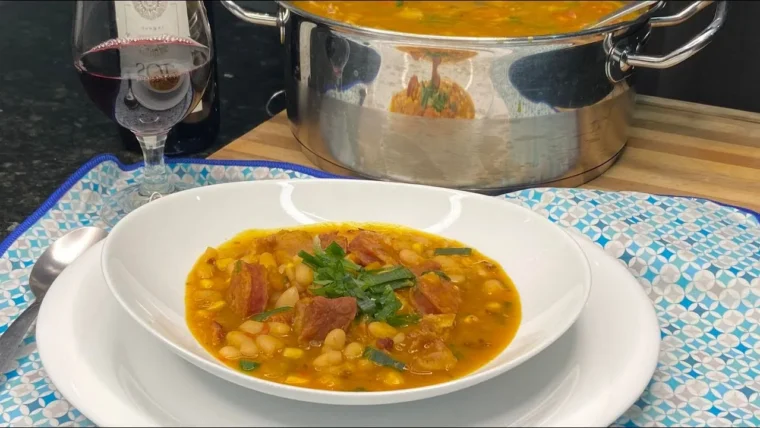
Locro: Traditional Andean Stew Recipe Step by Step
Introduction
The locro is one of the most iconic recipes of Andean gastronomy, especially popular in Argentina, Bolivia, Chile, Ecuador, and Peru. This thick, nourishing stew is traditionally prepared with squash, potatoes, corn, and a variety of meats, creating a comforting dish full of flavor. Historically, locro was eaten by the Indigenous peoples of the mountain regions, where local ingredients were abundant. Today, it remains a central dish at national and family celebrations, carrying a sense of cultural heritage and tradition.
In this article, we will explore the origins of locro, its regional variations, and provide a detailed recipe so you can recreate this Andean delicacy at home. We will also discuss essential tips to ensure your locro reaches the perfect consistency and flavor. At the end, we include a detailed nutrition table and an FAQ answering the most common questions about this recipe.
History and Origin
The word locro comes from Quechua, an Indigenous language widely spoken in the Andes, and refers to soups or stews prepared with corn or potatoes. This soup has deep roots in the Indigenous cultures of South America, especially among the peoples who inhabited the Andean regions. Over time, locro was adapted by Spanish influences, which introduced meats such as sausage and seasonings such as cumin.
Traditionally, locro was a subsistence meal, prepared with local ingredients available in the farming communities of the mountains. Over the centuries, it became an essential part of the national cuisine in several Andean countries, especially in Argentina, where it is a traditional dish for Independence Day on July 9.
Regional Variations
Although locro is enjoyed in many regions, each country — or even each family — has its own version of this dish. Let us explore some of the most popular variations:
Argentina
In Argentina, locro is usually made with white hominy corn, beans, squash, pork, and sausage. Tripe and other less noble cuts are commonly added, creating a rich, hearty stew. Argentine locro is known as a robust dish, perfect for the winter months.
Ecuador
In Ecuador, locro is often lighter and may include local cheeses such as queso fresco, potatoes, and avocado. Vegetarian versions of locro are commonly found, highlighting the simplicity and quality of local ingredients.
Peru
In Peru, locro is traditionally made with squash (or zapallo) and yellow potatoes, resulting in a vibrantly colored soup with a sweet flavor. The use of ají (Peruvian pepper) gives Peruvian locro its characteristic spicy touch.
Bolivia
In Bolivia, locro may include ground peanuts, which add a creamy texture and deep flavor. The meats used vary, but beef or pork are common, as is the use of local herbs to flavor the dish.
Traditional Recipe
Ingredients
-
White hominy corn: 1 cup (good quality)
-
White beans: 1 cup (good quality)
-
Squash (pumpkin): 1.1 lb (500 g), cut into cubes
-
Potatoes: 3 medium, cut into cubes
-
Pork: 1.1 lb (500 g), cubed
-
Smoked sausage (linguiça): 2 links, sliced
-
Onion: 1 medium (finely chopped)
-
Garlic: 3 cloves (finely chopped)
-
Vegetable oil: 2 tbsp (olive oil also works)
-
Annatto powder (colorau): 1 tsp
-
Ground cumin: 1 tsp
-
Black pepper: to taste
-
Salt: to taste
-
Water: enough to cover the ingredients
-
Scallions (green onions): for garnish
-
Bay leaf: 1 leaf
Preparation Method
Preparing the Grains
-
Soaking:
-
Soak the corn and beans in water overnight so they soften.
-
Initial Cooking:
-
In a large pot, add the soaked corn and beans and cover with water. Cook over medium heat until tender but still firm. This may take about 1 to 2 hours. Set aside.
Preparing the Meats
-
Browning the Meat:
-
In a separate pot, heat the vegetable oil. Add the cubed pork and the sausage and brown lightly.
-
Aromatic Base:
-
In the same pot, add the chopped onion and garlic. Sauté until golden and fragrant. Add the annatto, cumin, and black pepper, mixing well so the meats absorb the seasonings.
Making the Locro
-
Main Cooking:
-
Add the squash and potatoes to the pot with the meats and mix well. Add the cooked corn and beans and stir again. Add enough water to cover all the ingredients and add the bay leaf.
-
Slow Cooking:
-
Cook over low heat, stirring occasionally, until the squash and potatoes are falling apart and the locro has reached a creamy consistency. This may take 1 to 1.5 hours.
-
Final Adjustments:
-
Adjust the salt and pepper to taste. If the locro is too thick, add more water. If it is too thin, keep cooking until it reaches the desired consistency.
-
Garnish and Serve:
-
Serve the locro in deep bowls, garnished with chopped scallions. This dish is traditionally served hot.
Tips for a Perfect Locro
-
Choosing the Ingredients: Use good-quality ingredients, especially the corn and beans, to ensure an authentic, rich flavor.
-
Slow Cooking: Locro should be cooked slowly so the flavors fully meld and the ingredients become tender.
-
Texture: The ideal locro texture is creamy, with the squash and potatoes almost falling apart but still discernible.
Yield and Preparation Time
-
Yield: Serves 6 to 8 people
-
Prep Time: 20 minutes
-
Cook Time: 3 hours (including soaking time for the corn and beans)
-
Total Time: About 3 hours and 20 minutes
Nutrition Table
| Nutrient | Amount per serving (100 g) |
|---|---|
| Calories | 200 kcal |
| Protein | 12 g |
| Total Fat | 8 g |
| Saturated Fat | 2 g |
| Carbohydrates | 24 g |
| Fiber | 6 g |
| Sodium | 400 mg |
Conclusion
The locro is more than just a meal; it is a symbol of tradition and culture, carrying the history of the Andean peoples and the richness of their local ingredients. Preparing a locro is an experience that connects the cook to the roots of a rich, diverse gastronomy. With this recipe, you can bring a piece of Andean culture to your table, sharing the flavor and history of this age-old dish with your family and friends.
Share this recipe
Try preparing this delicious recipe for your next special meal and share it with your friends and family. They will love the unique combination of flavors and the richness of this traditional stew.
Enjoyed it? See more recipes like this on our website or join our Facebook group.


💬 Comentários (0)
Deixe sua teoria ou opinião sobre esta matéria.
Nenhum comentário por enquanto. Seja o primeiro a comentar!