Air Fryer Pork Ribs with Homemade Barbecue: juicy inside, crispy outside in 35 minutes
Receitas
Glossário Culinário
Pork, also called pig meat, comes from the pig and is one of the most common ingredients on the Brazilian table. With mild flavor and good juiciness, it shows up in everyday and party dishes, from crispy cracklings to Sunday roast leg. It is a versatile meat that takes marinades, bold seasonings, and slow cooking well, and yields varied cuts for the grill, oven, pot, and barbecue.
The best-known cuts are loin, lean and tender; leg, larger and ideal for roasts; spareribs, with bones and marbled fat, perfect for the oven and barbecue; pork tenderloin, small and very tender; and pork belly and bacon, fattier and used to add flavor. Fresh meat has a pink color and firm white fat. Lean cuts cook fast, while cuts with collagen, such as leg and spareribs, need time to turn tender.
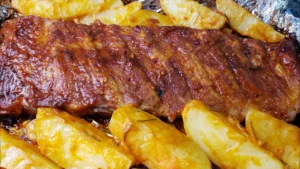
In the pot, it becomes pot roast, fricassee, and stews with cassava. In the oven, roast leg and loin with garlic, lemon, rosemary, and wine are classics. On the grill and in the skillet, chops and medallions need high, fast heat. Spareribs shine slow-roasted with barbecue sauce. Cracklings, crispy belly, and sausage are widely used derivatives served as sides. It pairs with garlic, onion, pepper, cumin, bay leaf, mustard, honey, pineapple, and fresh herbs.
Among pork cuts, you can swap loin for pork tenderloin in grilled dishes, and leg for shoulder in roasts. For oven and stew recipes, beef such as chuck and shoulder, or chicken such as thighs and drumsticks, can take over the dish with a different flavor. In ground dishes and fillings, ground chicken or vegetable mixes work. Anyone avoiding pork can adapt most recipes with chicken or beef, adjusting the cooking time.
Marinating pork with lemon, vinegar, or wine before cooking leaves it more tender and flavorful, because the acid softens the fibers. The ideal doneness for lean cuts like loin is juicy inside: overcooking dries it out. For ribs that fall off the bone, the secret is roasting at moderate temperature for a long time, covered at first and browned at the end. Using the fat from the cut itself to saute the seasonings skips extra oil and boosts flavor.