
Hearts of Palm and Tomato Salad: Simple and Easy Recipe
Entradas-e-petiscos
Glossário Culinário
Heart of palm is the soft core taken from inside palm trees, with a delicate flavor and tender texture, widely used in salads, fillings and gratin dishes. In Brazil, the most common are peach palm (pupunha), juçara and açaí, sold canned or — for peach palm — also fresh for griddle and oven preparations.
Peach palm is firm, slightly sweet and yellowish, and holds up well to cooking; juçara, native to the Atlantic Forest, is pale and soft; açaí heart of palm is thin and delicate. Canned, it comes in spears, rounds or chopped, in a vinegary brine that calls for rinsing before use. Fresh peach palm can be sliced thin, grilled or roasted, with an almost pasta-like texture. Choose jars with clear liquid and whole spears.
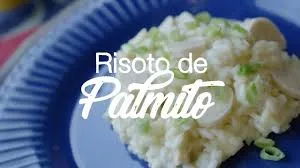
Heart of palm stars in salads with tomato, pies, savory tarts, pastries and quiches, plus pancake and shepherd’s-pie-style fillings. In hot dishes, it shows up in lasagna, risotto, creamed dishes and moqueca, pairing with cheeses, cream, shrimp and herbs. Sliced fresh peach palm becomes the base of light preparations, sautéed in olive oil or finished in the oven au gratin.
The types of heart of palm — peach palm, juçara and açaí — replace one another in most recipes, adjusting cooking time. In pie and tart fillings, shredded chicken, mushrooms or cooked cauliflower give similar bulk and texture. For crunchy salads, sliced celery stalks bring a similar freshness, with their own flavor.
Juçara comes from a native palm pressured by predatory harvesting, which is why cultivated peach palm became the established alternative — it regrows after cutting. Practical tip: rinse canned heart of palm under running water to soften the vinegar before using it in salads. Once opened, keep the jar refrigerated with the palm covered by its liquid and use within a few days.
Entradas-e-petiscos
Arroz-e-risotos

Entradas-e-petiscos


