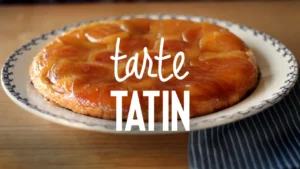
Tarte Tatin: Traditional French Apple Tart Recipe Step by Step
Tortas-doces
Glossário Culinário
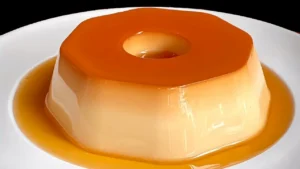
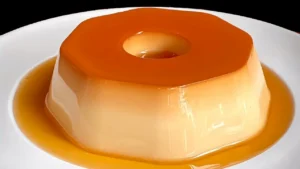
Caramelizing means heating sugar until it melts and turns amber, with a deep aroma and a flavor at once slightly bitter and sweet. It is the base of the syrup for condensed-milk flan, the topping of tarte Tatin and the golden touch of fruit desserts. The term is also used for the slow browning of onions and vegetables, whose natural sugars darken gradually in the heat. In both cases, the magic lies in the transformation: plain sweetness turns into a more complex, fragrant flavor.
Caramel calls for a heavy-bottomed pan, medium heat and constant attention, because it goes from the ideal point to burnt in seconds. The sugar melts, bubbles and darkens to a dark-honey tone: that is the syrup point for puddings and sweets. Stirring with a spoon at the start can cause lumps; the safest way is swirling the pan by its handle. Hot water added carefully dissolves the caramel into a fluid syrup. And no care with splashes is too much, since hot caramel sticks to skin and burns deep.
Caramelizing is used for flan and custard syrups, cake and pie toppings, roasted fruits like pineapple and banana, and spoon sweets with golden syrup. Tarte Tatin, for example, is born with the apples cooking in caramel before going into the oven. In the savory version, low-heat caramelized onion tops burgers, pizzas and quiches. A thread of caramel also decorates desserts and gives a professional finish to ice creams and mousses.
Caramel’s color comes from sugar’s own reaction to heat, with no coloring needed: the darker, the stronger and less sweet the flavor. That is why pastry chefs speak of light caramel, for gentle sweetness, and dark caramel, for more toasted notes. If the caramel lumps, there is no need to throw it away: over low heat and with patience, the lumps usually melt on their own. And a light-colored pan helps beginners, because it lets you see the exact color of the caramel.