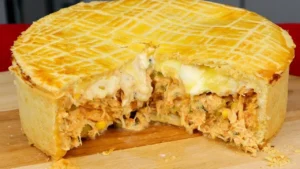
Melt-in-Your-Mouth Chicken Pot Pie Crust Secret: Just 3 Ingredients, No Margarine
Receitas
Glossário Culinário
Butter is the fat from churned cream until the buttermilk separates, with a mild flavor and characteristic aroma. It is the base of buttery doughs, delicate sautés and finishes that call for creaminess and shine.
The most common versions are salted, used daily on bread and in savory cooking, and unsalted, preferred in baking because it lets you control the salt. Bottled butter (manteiga de garrafa), typical of Northeast Brazil, is cooked until lightly golden with a strong toasted flavor. Clarified butter (ghee) is heated to remove water and solids, standing higher temperatures without burning.
In baking, it is essential in buttery cakes, pies, cookies, short-crust chicken pies and puff pastry, where it gives a melt-in-the-mouth texture. In savory cooking, it gently sautés vegetables, finishes risottos and pastas with shine, browns meats and enriches mashed potatoes. Melted with herbs, it becomes a simple sauce for vegetables and fish.
Baking margarine replaces butter in many recipes, though it changes flavor and final texture. Vegetable oil works in simple cakes, keeping the crumb moist, but does not match short and puff pastry structure. In sautés, olive oil does the job well. For lactose-free versions, there are plant butters and ghee, often tolerated for having very little milk residue.
To tell if it is at pommade stage, ideal for cakes, butter should yield to the touch without being melted. Frozen in portions, it lasts months in the freezer. And a French classic adopted here: swirling in cubes of cold butter at the end gives sauces shine and a velvety body without splitting.