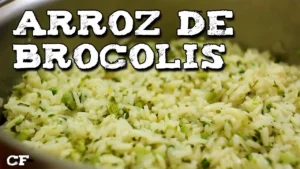
Broccoli Rice: Simple and Easy Recipe
Arroz-e-risotos
Glossário Culinário
Blanching means cooking food for a very short time in boiling water and then cooling it quickly in ice water, stopping the cooking all at once. The thermal shock keeps colors vivid, texture firm and flavor fresh. It is the technique used for broccoli, green beans, carrots and cauliflower before sautéing, building warm salads or freezing, and it also loosens the skins of tomatoes and almonds with ease. Food comes out of the process still crisp, ready for the recipe’s next step.
Blanching calls for a large pot with plenty of water already at a rolling boil, plus salt, so vegetables cook evenly without dropping the temperature. Timing is short, usually one to three minutes, depending on the size of the cut. Beside the stove, a bowl of ice water waits to receive everything at once. Draining well after the ice bath keeps excess water from dulling the next seasoning.
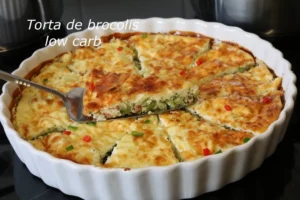
Blanching preps vegetables for quick sautés, pastas with vegetables, quiches, pies and colorful broccoli rice. It is also the step before home freezing, since it preserves color and texture longer in the freezer. Tomatoes dipped for under a minute shed their skins almost by themselves, which helps sauces and preserves. Greens like spinach and blanched kale wilt just enough for sautés and fillings without losing their pretty green.
The ice bath has its own name in professional kitchens and exists precisely to halt cooking at the right moment. Without it, residual heat keeps cooking the vegetable even off the stove, and the green turns dull. Another detail: blanching water can be reused to cook pasta or rice, since it carries flavor and nutrients from the vegetables. And salting that water well makes a difference, because it is the first — and sometimes only — chance to season the vegetable from within.
Arroz-e-risotos
Receitas-fit

Sopas-e-caldos


