
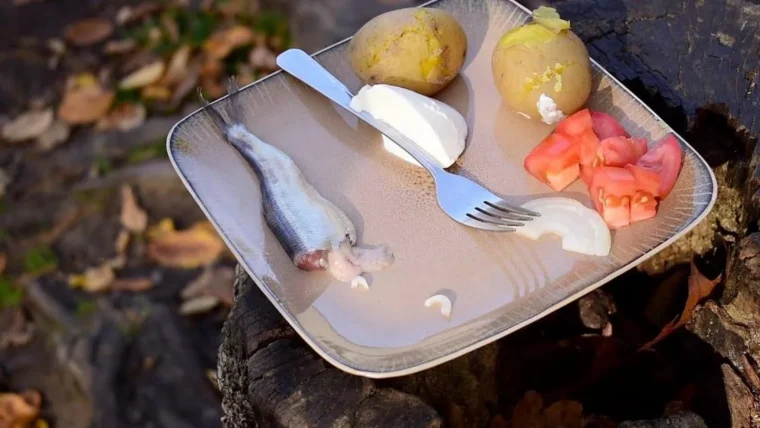
Surströmming, known for its strong smell and distinctive flavor, is a traditional Swedish dish. This fermented fish has sparked curiosity and debate around the world. Let’s explore its origins, how it is made, and why it is so famous.
What Is Surströmming?
Surströmming is a type of fermented fish from Sweden, more specifically from the Baltic Sea. This dish is made with herring, which undergoes a fermentation process in barrels for months. After fermentation, the fish is canned, where it keeps fermenting. The result is a food with a strong aroma and an equally bold flavor.
How Surströmming Is Made
Surströmming production starts with catching herring in the Baltic Sea, usually in early spring. The fish are scaled and gutted, keeping the milt or roe. They are then placed in large barrels with a slightly diluted brine. This mixture allows fermentation to happen in a controlled way.
Fermentation Steps
- Initial Preparation: After the catch, the herring are cleaned and prepared for fermentation.
- Fermentation Barrels: The herring are placed in barrels with brine. The amount of salt is essential for controlling the process. Salt prevents unwanted bacteria from developing, while allowing Lactobacillus, the fermenting bacteria, to thrive.
- Primary Fermentation: In the barrels, fermentation begins and can last from 6 to 12 months. During this period, the fish are periodically checked to ensure quality.
- Canning: After the initial fermentation, the herring are canned. Fermentation continues in the can, where the process is slower but steady.
Tradition and Culture
Surströmming is more than just a food in Sweden; it is a vital part of local culture. It is often eaten on special occasions and at festivals. There is even an annual Surströmming Premiere, during which new cans of surströmming are opened and tasted.
How to Eat Surströmming
Eating it involves a few rituals and traditions. Here are some tips:
- Opening the Can: It is best to open the can of surströmming outdoors because of the strong smell. A common technique is to open it submerged in water to minimize the odor.
- Sides: Surströmming is usually served with thin Swedish flatbread (tunnbröd), potatoes, red onions, and sour cream.
- Drinks: Traditionally, the dish is accompanied by beer or snaps (a type of aquavit).
The Controversial Smell
The smell of surströmming is intensely strong and pungent. It can be described as a mix of marine odors, ammonia, and sulfur. This striking smell comes from the acids produced by fermentation, such as butyric acid and acetic acid.
Stories and Reactions
The smell of surströmming is so peculiar that it has become the subject of countless tasting videos online, where participants’ reactions range from curiosity to extreme disgust. It is common to see people holding their noses and even stepping away when the can is opened.
Benefits and Nutritional Value
Despite the aroma, surströmming offers several nutritional benefits. As a fish, it is rich in high-quality protein, omega-3 fatty acids, vitamins, and essential minerals. Fermentation also adds probiotic benefits, which can support digestive health.
Nutritional Values
- Protein: Essential for building and repairing body tissues.
- Omega-3: Fatty acids that support heart health.
- Vitamins: Mainly vitamin D and B12, essential for the body to work properly.
- Minerals: Including calcium, iron, and zinc.
Comparison with Other Fermented Foods
Fermentation is an ancient culinary technique used in many cultures around the world. Comparing surströmming with other fermented foods can help us better understand this culinary phenomenon.
Kimchi
Kimchi is a Korean fermented dish made with vegetables such as cabbage and radishes, seasoned with chili pepper, garlic, and ginger. Although it also has a strong smell, kimchi tends to be more widely accepted because of its spicy, crunchy flavor.
Natto
Natto is a Japanese food made from fermented soybeans. Like surströmming, it also has a strong smell and a sticky texture, but it is valued for its high nutritional value and probiotic benefits.
Sauerkraut
Sauerkraut is a German dish made from fermented cabbage. Compared with surströmming, sauerkraut has a milder smell and flavor, making it more accessible to Western palates.
How to Buy and Store Surströmming
Surströmming fans can find it in specialty stores or online. Because of its strong aroma, it is important to store surströmming correctly to avoid odor problems in your home.
Where to Buy
- Specialty Stores: Some delicatessens and Swedish markets sell cans of surströmming.
- Online: Many e-commerce sites sell surströmming, including options with international shipping.
Storage
- Cool, Airy Place: Keep the can in a cool place to prevent bursting from continued fermentation.
- Extra Wrapping: To minimize the smell, you can place the can in a plastic bag or sealed container.
Fun Facts About Surströmming
Surströmming comes with many fun facts that further enrich its history and tradition. From historical background to the latest trends, there are many interesting facts about this unique dish.
Historical Origins
Surströmming is believed to have been invented as a way to preserve fish in times of salt scarcity. Because salt was expensive, fermentation was a viable alternative for extending the food’s shelf life.
Challenges and Promotions
There are many challenges and promotions in which people around the world are encouraged to try surströmming and share their reactions. These challenges are hugely popular on social media.
Regulations and Bans
Because of its strong smell, some airlines have banned passengers from bringing cans of surströmming on flights, to avoid complaints and potential problems inside the aircraft.


💬 Comentários (0)
Deixe sua teoria ou opinião sobre esta matéria.
Nenhum comentário por enquanto. Seja o primeiro a comentar!