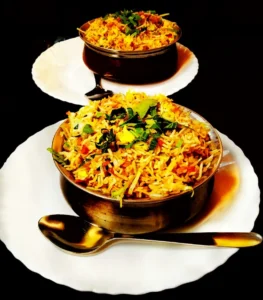
Easy Pressure-Cooker Creamy Penne in 10 Minutes
Receitas Rapidas
Glossário Culinário
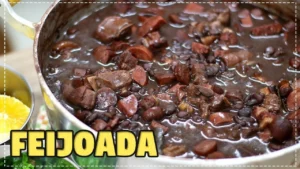
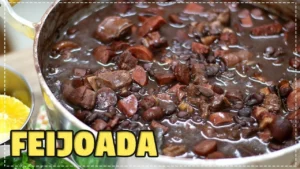
The pressure cooker is the lidded pot with a seal and valve that cooks food under steam pressure, raising water’s boiling point and speeding up cooking. Beans, feijoada, tough meats, cassava and hearty soups turn tender in a fraction of the regular pot’s time, with a richer broth because less liquid evaporates. It is a staple of Brazilian cooking, from ten-minute creamy pasta to everyday beans.
It has a thick body, usually aluminum or stainless steel, a lid with a sealing ring and safety valves that control steam release. The characteristic hiss means pressure has built up and the heat can be lowered. Modern models have locks that prevent opening under pressure and extra valves against clogging. Capacity ranges from small everyday sizes to large ones for feijoadas and broths. A dried-out ring and a dirty valve are the most common causes of malfunction, so periodic maintenance is essential.
Without pressure, the way is a regular lidded pot with more time over low heat, topping up the water gradually. An electric slow cooker delivers tender meats with planning, and an electric pressure cooker does the same job with more automation. For small amounts of pre-soaked beans, even a regular pot does it with about an hour of cooking. The final flavor changes little; what changes is the time and attention required.
Letting the pressure release on its own yields fuller-bodied broths and more intact meats, while quick cooling under running water is handy when exact doneness matters. Filling past two-thirds of capacity harms steam circulation and raises the risk of clogging the valve, especially with grains and pastas that foam. Washing the lid without submerging the mechanism and storing the pot unlidded preserve the ring longer.
Receitas Rapidas
Sopas-e-caldos
Pratos-especiais


