
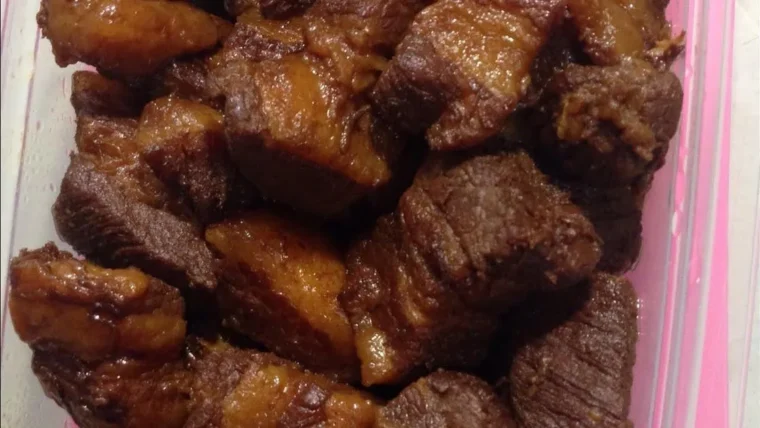
Pork Adobo is a famous Filipino recipe that combines pork and unique seasonings to create a tasty and unforgettable dish. If you are looking for an exotic dish full of flavor, this traditional recipe is the perfect choice. In this post, we will explore how to prepare Pork Adobo at home, step by step, so you can impress your friends and family with an amazing dinner.
Pork Adobo Ingredients
To prepare an authentic Pork Adobo, you will need the following ingredients:
- 2.2 lb (1 kg) of pork cut into cubes (you can use pork belly, loin or ribs)
- 1/2 cup soy sauce
- 1/2 cup white vinegar
- 5 garlic cloves, minced
- 2 bay leaves
- 1 teaspoon whole black peppercorns
- 1 teaspoon brown sugar (optional)
- 1 cup water
- Vegetable oil for frying
- Salt and pepper to taste
Step by Step
Follow these instructions to make sure your Pork Adobo turns out delicious and tender.
Marinating the Meat
Start by marinating the pork. Place the pork cubes in a large bowl and add the soy sauce, vinegar, garlic, bay leaves and black peppercorns. Mix well to make sure every piece of meat is coated with the seasoning. Let marinate for at least 30 minutes, preferably overnight for a deeper flavor.
Searing the Pork
After marinating, heat a little vegetable oil in a large pot or skillet over medium-high heat. Add the pork cubes in small batches so you do not crowd the meat. Fry until all sides are browned. This step gives the meat a pleasant texture and intensifies the flavors. Set the browned pork pieces aside.
Making the Sauce
In the same pot, add the reserved marinade together with one cup of water. Bring to a boil, scraping the browned bits from the bottom of the pot to add more flavor to the sauce. Once boiling, return the pork to the pot. Reduce the heat to medium-low and cook covered for about 30 to 40 minutes.
Adjusting the Flavor
After the cooking time, check the texture of the meat. It should be tender and easy to shred with a fork. If you like, you can add the brown sugar at this point. Taste the sauce and adjust the salt and pepper as needed. If you find the sauce too acidic, you can balance it with a little more sugar. If the sauce is too thick, add a little more water.
Tips for a Perfect Pork Adobo
- Cut of Meat: Choose fattier pork cuts such as pork belly for a juicy result.
- Marinating Time: Marinating time is crucial for a deep, well-developed flavor. Marinate for at least 2 hours if you are in a hurry.
- Seasoning Variations: You can add red pepper flakes for a spicy version, or coconut milk for a milder, creamier version.
- Side Dishes: Serve your Pork Adobo with white rice and vegetables for a complete meal.
History and Origin of Pork Adobo
Pork Adobo is a traditional recipe from the Philippines. The term adobo comes from Spanish and means marinade or seasoning. Although it was influenced by Spanish cuisine, Filipino adobo is quite different from what you find in Spain. It mainly uses vinegar, soy sauce and garlic, ingredients common in Asian cooking.
Historically, adobo was created as a food preservation technique. Vinegar acts as a natural preservative, allowing the meat to last longer, which was essential before modern refrigeration was invented. Today, Pork Adobo is one of the favorite recipes in the Philippines, served both on special occasions and in everyday meals.
Pork Adobo in Other Cultures
The popularity of Pork Adobo has gone beyond the borders of the Philippines, becoming a renowned dish in several parts of the world. In each culture, Pork Adobo can be adapted with local ingredients. For example:
- United States: Some spices are swapped to suit the American palate, often adding more sauces or processed seasonings.
- Japan: There is a version called Buta no Adobo, where the dish is combined with elements of Japanese cuisine such as adding mirin or sake.
- Europe: The European influence on Pork Adobo is visible in Spain and Portugal, where marinades are adapted to include Mediterranean seasonings.
Recipe Variations
Each region in the Philippines has its own unique version of Pork Adobo, and here are some popular variations:
- Adobo with Potatoes: Potatoes are added to the dish, cooked together with the meat for a heartier touch.
- Adobo with Egg: Sometimes boiled eggs are included, adding extra texture and flavor to the dish.
- Adobo with Coconut Milk: This version uses coconut milk instead of or together with the vinegar and soy sauce, resulting in a richer, creamier sauce.
- Sweet Adobo: Brown sugar or honey is added for a sweet, caramelized version of the dish.
Nutritional Benefits of Pork Adobo
Pork Adobo is not only delicious but also offers nutritional benefits:
- Protein: Pork is an excellent source of protein, essential for tissue growth and repair.
- Vitamins and Minerals: Pork contains B-complex vitamins, iron and zinc.
- Garlic: Garlic has antioxidant and antimicrobial properties.
- Low in Carbohydrates: Perfect for low-carb diets, especially when served without sides such as rice.
How to Store and Reheat
If you have leftover Pork Adobo, follow these instructions to store and reheat it correctly:
- Storage: Place the Pork Adobo in an airtight container and refrigerate for up to 4 days. For longer periods, you can freeze it for up to 3 months.
- Reheating: To reheat, transfer the desired amount to a pot and heat over medium heat until heated through. If frozen, thaw in the refrigerator overnight before reheating.
Conclusion
By following these steps, you will have a delicious Pork Adobo ready to enjoy. This classic Filipino recipe is a perfect blend of simplicity and flavor. Try making it today and share it with your friends and family!


💬 Comentários (0)
Deixe sua teoria ou opinião sobre esta matéria.
Nenhum comentário por enquanto. Seja o primeiro a comentar!