
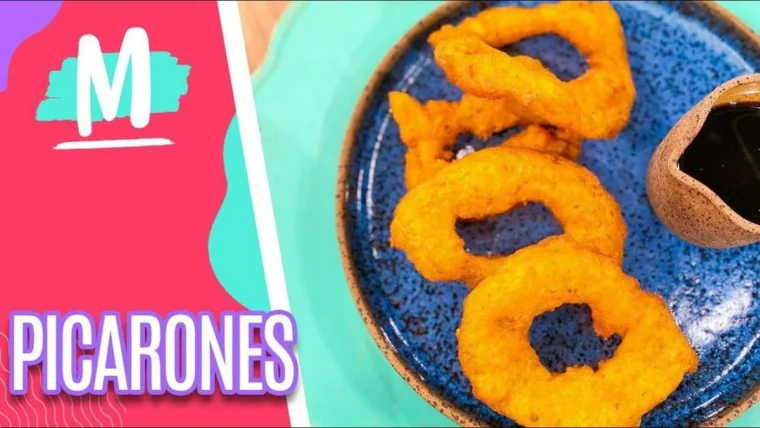
Picarones are delicious traditional Peruvian doughnuts, perfect for any occasion. Made with a squash and sweet potato batter, they are fried and dipped in a sweet syrup. Let’s explore together how to prepare these delights.
Origin and History of Picarones
Picarones are traditional Peruvian sweets that originated during the colonial period. This dessert was created as an adaptation of the Spanish buñuelo, using local ingredients such as squash and sweet potato.
At the time, Indigenous communities blended local ingredients with Spanish cooking techniques, resulting in the modern picarón. Initially, these sweets were prepared during religious festivals, but their popularity grew, and today picarones are found in every corner of Peru.
The traditional recipe has been passed down from generation to generation, keeping its authentic flavor. Each region may have its variations, but the essence of the sweet remains the same, reflecting Peru’s rich culture and cuisine.
Ingredients Needed to Make Picarones
To make picarones, you will need the following ingredients:
- 17.6 oz (500 g) squash (pumpkin)
- 17.6 oz (500 g) sweet potato
- 17.6 oz (500 g, about 4 cups) all-purpose flour
- 0.9 oz (25 g) fresh yeast
- 2 tbsp sugar
- 1 tsp salt
- 1/4 tsp aniseed
- 8 1/2 cups (2 liters) oil for frying
- About 4 1/4 cups (1 liter) water
In addition to the main ingredients, you will also need ingredients for the chancaca syrup served with the picarones:
- 17.6 oz (500 g) chancaca (unrefined cane sugar)
- 1 cinnamon stick
- 3 whole cloves
- 1 fig leaf
- Orange peel
- About 4 1/4 cups (1 liter) water
Step by Step: How to Prepare Picarones
Here is a step-by-step guide to preparing picarones:
Preparing the Batter
Step 1: Cook the squash and the sweet potato until tender. Drain, mash and let cool.
Step 2: In a large bowl, dissolve the yeast in half a cup of warm water with a spoonful of sugar. Let rest for about 10 minutes, until it starts to foam.
Step 3: Add the mashed squash and sweet potato to the yeast, along with the flour, salt and aniseed. Mix well until you get a smooth batter. Cover the bowl with a damp cloth and let the batter rest for about 1 to 2 hours, or until doubled in size.
Preparing the Chancaca Syrup
Step 4: In a medium saucepan, add the chancaca, water, cinnamon, cloves, orange peel and the fig leaf. Cook over medium heat until the chancaca dissolves completely and the syrup begins to thicken. Set aside.
Frying the Picarones
Step 5: Heat the oil in a deep pan until it reaches about 350°F (180°C).
Step 6: With wet hands, take a portion of the batter, make a hole in the middle and stretch it into a ring shape. Carefully place it in the hot oil and fry until the picarones are golden and crispy. Remove and place on paper towels to drain the excess oil.
Finishing
Step 7: Serve the picarones while still hot, drizzled with the chancaca syrup. Enjoy!
Tips and Tricks for Perfect Picarones
- Oil temperature: Keeping the oil temperature steady is crucial. If it is too hot, the picarones may burn on the outside and stay raw on the inside. If it is too cool, they may absorb too much oil and turn soggy.
- Resting the batter: It is essential to give the batter enough time to rise. Cover the bowl with a damp cloth so the batter does not dry out.
- Chancaca syrup: Fig leaves can be hard to find. If you don’t have one, substitute with more orange or lemon peel for extra flavor.
- Wet hands: When handling the batter, wet your hands regularly to keep the batter from sticking and to shape the rings more easily.
- Variations: Try adding different spices to the batter, such as cinnamon or nutmeg, for a special touch.


💬 Comentários (0)
Deixe sua teoria ou opinião sobre esta matéria.
Nenhum comentário por enquanto. Seja o primeiro a comentar!