
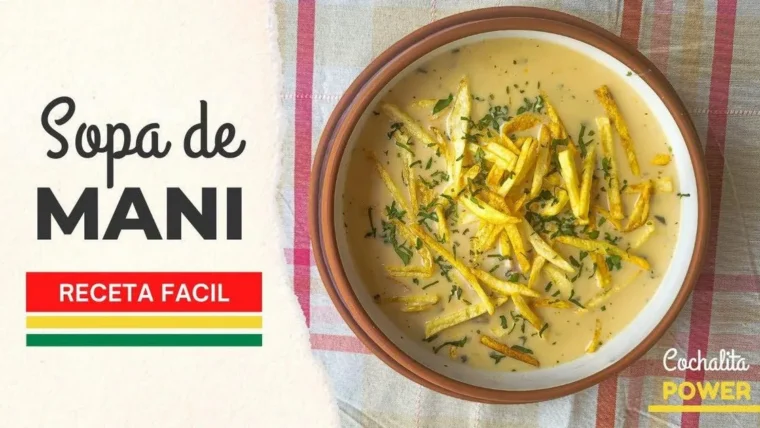
A Sopa de Mani is a traditional delicacy rich in flavor and history. This recipe, rooted in native cultures, offers a unique culinary experience. Learn how to prepare this delicious soup and explore its health benefits.
Origin of Sopa de Mani
The Sopa de Mani is a native delicacy with deep roots in South America, especially in Andean cultures. This traditional dish is known for its rich flavor and nutritious ingredients. Mani refers to peanuts, the main ingredient of this delicious soup.
The soup originated in Indigenous communities that inhabited areas such as Peru, Bolivia, and Ecuador. They used native ingredients and traditional cooking techniques passed down from generation to generation. Sopa de Mani is not just food, but also a cultural legacy.
Nutritional Benefits of Sopa de Mani
One of the main appeals of Sopa de Mani is its nutritional richness. Peanuts are an excellent source of protein, healthy fats, and several essential vitamins and minerals.
- Protein: Helps build and repair body tissues.
- Healthy Fats: Support heart health and energy.
- Vitamins: Contains vitamin E, niacin, and folate.
In addition, most Sopa de Mani recipes also include vegetables and broths that add fiber, antioxidants, and other nutrients to the dish.
Classic Sopa de Mani Recipe Ingredients
The ingredients of Sopa de Mani may vary by region and personal preference, but there are some basic components common to most recipes.
- Peanuts: Toasted and ground to create a creamy base.
- Olive oil or oil: For sautéing the ingredients.
- Onion and Garlic: Provide a tasty, aromatic base.
- Chicken Broth: Can be replaced with vegetable broth for a vegetarian version.
- Potatoes: Add texture and substance to the soup.
- Peas: For color and extra nutrients.
More elaborate versions may include other vegetables, seasonings, and even meats such as shredded chicken.
Step by Step: How to Make Sopa de Mani
Now, let us get to the preparation method for this wonderful soup.
- Toasting the Peanuts: Toast the peanuts in a skillet until golden. Let cool, then blend in a blender or with a grinder until creamy.
- Preparing the Base: In a large pot, heat the olive oil and add the chopped onion and garlic. Sauté until translucent.
- Cooking the Ingredients: Add the diced potatoes and the chicken broth to the pot. Cook until the potatoes are tender.
- Mixing in the Peanuts: Add the peanut cream to the pot and stir well. Cook for 10 more minutes, stirring occasionally.
- Finishing the Soup: Add the peas and cook a few more minutes until tender. Season with salt and pepper to taste.
Sopa de Mani Variations
Sopa de Mani can be adapted in many ways to suit different preferences and dietary needs. Here are some popular variations:
- Chicken Sopa de Mani: Add shredded chicken for a heartier version.
- Vegetarian Version: Use vegetable broth instead of chicken broth.
- Spicy Soup: Include chili peppers or a dash of hot sauce.
- With Mixed Vegetables: Add carrots, zucchini, or other vegetables of your choice.
Each variation keeps the unique character of the soup, but with a personalized touch.
Tips for the Perfect Sopa de Mani
Making Sopa de Mani can be quite simple, but a few tips can help elevate the flavor and texture of your recipe:
- Toast the Peanuts Well: Toasting them well enhances the flavor and gives the soup unique depth.
- Use Fresh Ingredients: Always choose fresh vegetables for a more authentic flavor.
- Control the Texture: Grind the peanuts well, and if you want a thinner soup, add more broth.
- Cook Over Low Heat: This helps release and blend all the flavors more evenly.
Ideal Side Dishes for Sopa de Mani
Sopa de Mani is amazing on its own, but it can be even more delicious with a few accompaniments:
- Homemade Bread: Fresh bread is perfect for dipping into this creamy soup.
- Green Salad: A light, fresh salad can complement the soup well.
- Rice: In some cultures, adding rice is a common way to enjoy the soup.
Fun Facts About Sopa de Mani
Sopa de Mani carries several interesting facts and stories:
- Ceremonial Use: Some cultures use the soup in special festivities and ceremonies.
- Healing Properties: Some believe the soup has healing properties thanks to its nutritious ingredients.
- Preparation Rituals: In certain regions, making the soup is a community event that strengthens family and social bonds.
Sopa de Mani in Modern Cuisine
In modern cuisine, chefs around the world have reimagined Sopa de Mani, adding it to fine-dining restaurant menus. They often bring new ingredients and techniques to adapt the soup to contemporary tastes.
For example, you may find versions of the soup featuring foie gras, truffles, and even foams for a more sophisticated presentation.
Sopa de Mani Recipe With Local Ingredients
For those who want to experiment, a variation using local ingredients can be a great option:
- Peanuts: Prefer local peanuts.
- Coconut Oil: Can replace olive oil.
- Sweet Potatoes: Add a different flavor and more nutrients.
This version not only honors the original recipe but also supports local producers.
Sopa de Mani as a Base for Other Recipes
Sopa de Mani is so versatile it can serve as a base for many other culinary preparations. Here are some ideas:
- Sauces: Use the soup base to create creamy sauces for pasta and meats.
- Stews: Add more ingredients such as meat and vegetables for a hearty stew.
- Curries: Use the soup as a base for a rich, aromatic peanut curry.
Sopa de Mani at Events and Parties
Sopa de Mani can be an amazing choice to serve at events and parties. It can be presented in several ways that delight guests:
- Finger Food: Serve in small cups as an appetizer.
- Buffet: A soup station with various toppings for customization.
- Themed: At Andean-culture themed events, the soup can be the highlight.
Socioeconomic Impact of Sopa de Mani
Beyond its culinary and nutritional value, Sopa de Mani has socioeconomic impact, especially in regions where peanuts are an important crop. Growing and selling peanuts and other soup ingredients generates jobs and income for many families.
In some communities, traditional recipes like Sopa de Mani are tools for preserving cultural identity and promoting tourism.
Where to Try Sopa de Mani?
For those who want to try this authentic delicacy, here are some places where the search for Sopa de Mani can begin:
- Andean Restaurants: Check whether there are specialized restaurants in your area.
- Cultural Fairs: Andean culture events often serve typical dishes.
- Culinary Trips: Take advantage of trips to countries such as Bolivia, Peru, and Ecuador to taste the authentic version.
Bring the Tradition Home
Making Sopa de Mani at home is not only an opportunity to taste new flavors, but also to dive into a rich and meaningful tradition. Through this recipe, you can connect with ancient cultures and honor ancestral culinary wisdom.


💬 Comentários (0)
Deixe sua teoria ou opinião sobre esta matéria.
Nenhum comentário por enquanto. Seja o primeiro a comentar!