
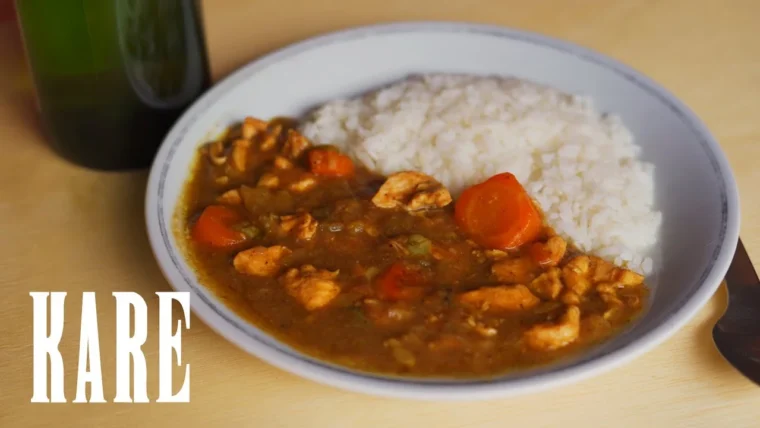
Kare (Japanese Curry): Simple and Easy Recipe
Introduction
The Kare, also known as Japanese curry, is a popular dish in Japan that has won many hearts around the world. Unlike Indian or Thai curry, Japanese kare is milder and has a unique, comforting flavor. This article explores the history of kare, provides a detailed recipe, and discusses some variations and tips for preparing this delicious dish.
History of Kare
Curry was introduced to Japan by the British during the Meiji period (1868-1912), when Japan began opening its doors to foreign influences. Adapted to the Japanese palate, kare became an extremely popular dish, served in homes, restaurants, and even schools. Today, kare is considered one of the most iconic dishes of Japanese cuisine.
Ingredients
For the Kare
-
1 lb 2 oz (500 g) pork or chicken, cut into cubes
-
2 tbsp vegetable oil (olive oil works too)
-
2 large onions (finely chopped)
-
3 garlic cloves (finely chopped)
-
1 piece of fresh ginger (about 1 inch), grated
-
3 medium carrots, sliced into rounds
-
3 medium potatoes, cut into cubes
-
1 large apple, grated
-
2 tbsp good-quality soy sauce
-
1 tbsp tomato paste
-
1 tbsp good-quality all-purpose flour
-
1 tsp curry powder
-
1 tsp garam masala
-
1 tsp ground cumin
-
4 cups (about 1 quart) chicken or vegetable broth
-
Salt and pepper to taste
-
2 tbsp butter
-
2 tbsp honey
For the Side Dish
-
2 cups Japanese rice
-
4 cups water
-
Salt to taste
Yield and Prep Time
-
Yield: 4 servings
-
Prep Time: 1 hour and 30 minutes
Step-by-Step Guide to Making Kare
Step 1: Prepare the Ingredients
-
Cut the Meat: Cut the pork or chicken into even cubes and set aside.
-
Chop the Aromatics: Finely chop the onions and garlic, and grate the ginger.
Step 2: Cook the Meat
- Brown the Meat: In a large pot, heat the vegetable oil. Add the meat and cook until browned on all sides. Remove the meat and set aside.
Step 3: Prepare the Sauce
-
Sauté the Aromatics: In the same pot, add the chopped onions and sauté until translucent. Add the garlic and ginger and cook for one more minute.
-
Add the Apple and Tomato Paste: Stir in the grated apple and tomato paste. Cook for a few more minutes until the mixture starts to caramelize.
-
Add the Flour and Spices: Sprinkle the all-purpose flour over the mixture and stir well. Add the curry powder, garam masala, and ground cumin. Cook for a few more minutes to toast the spices.
Step 4: Cook the Vegetables and Finish the Dish
-
Add the Vegetables and Broth: Add the carrots, potatoes, and chicken or vegetable broth. Stir well and bring to a boil.
-
Add the Meat and Simmer: Return the meat to the pot, reduce the heat, and cook for about 30-40 minutes, or until the vegetables are tender and the meat is cooked through.
-
Finish the Sauce: Stir in the soy sauce, butter, and honey. Adjust the salt and pepper to taste.
Step 5: Prepare the Rice
- Cook the Rice: Rinse the Japanese rice under running water until the water runs clear. In a large pot, add the rice and water. Cook until the rice is tender and the water has been absorbed.
Step 6: Serve
- Garnish and Serve: Serve the kare hot, accompanied by the Japanese rice.
Recipe Variations
Seafood Kare
- Replace the meat with seafood, such as shrimp and squid, for a different and equally delicious version.
Vegetarian Kare
- Replace the meat with tofu or extra vegetables, such as broccoli and mushrooms, for a vegetarian version.
Spicy Kare
- Add fresh or powdered red chilies to the sauce for a spicier kare.
Nutritional Benefits of Kare
Pork or Chicken
-
Protein: Meat is an excellent source of protein, essential for building and repairing tissues.
-
Vitamins and Minerals: It contains B-complex vitamins and minerals such as iron and zinc.
Vegetables
-
Fiber: Carrots and potatoes provide dietary fiber that is important for digestion.
-
Vitamins and Minerals: Rich in vitamins A and C, as well as potassium and other essential nutrients.
Spices
-
Antioxidants: Spices such as curry powder, garam masala, and cumin are rich in antioxidants that help fight free radicals in the body.
-
Anti-inflammatory Properties: Turmeric, found in curry powder, is known for its anti-inflammatory properties.
Nutrition Facts
| Nutrient | Amount per Serving (1 serving) |
|---|---|
| Calories | 450 kcal |
| Carbohydrates | 50 g |
| Protein | 20 g |
| Fat | 20 g |
| Fiber | 6 g |
| Sodium | 800 mg |
Tips for a Perfect Kare
-
Choosing Ingredients: Use fresh, good-quality ingredients for the best flavor.
-
Brown the Meat Well: Searing the meat well before adding the other ingredients is crucial for developing deep flavor.
-
Cooking Time: Simmer the sauce over low heat to allow the flavors to fully develop.
-
Using Spices: Adjust the spices to your personal taste, but do not skimp on the curry powder and garam masala for an authentic flavor.
Conclusion
The Kare is a true celebration of Japanese flavors. With its creamy texture and rich taste, it is a dish that pleases everyone and brings a touch of sophistication to any meal. Easy to prepare, it combines simple ingredients harmoniously, resulting in a nutritious and delicious meal. Perfect for any occasion, this dish is sure to please every palate.
Share this recipe
Enjoyed it? See more recipes like this on our website or join our Facebook group.


💬 Comentários (0)
Deixe sua teoria ou opinião sobre esta matéria.
Nenhum comentário por enquanto. Seja o primeiro a comentar!