French Onion Soup: Complete Delicious Recipe
Sopas-e-caldos
Glossário Culinário
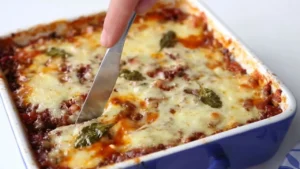
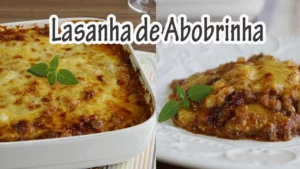
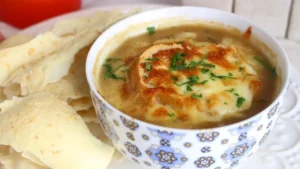
Gratinating means taking an already assembled dish to a very hot oven to brown the surface, forming a golden, lightly crisp crust. The intense heat melts the cheese or toasts the topping while the inside finishes heating through. It is the finishing touch of onion soup with melted cheese on top, lasagna with a bubbling top layer and escondidinho with golden mash. More than cooking, gratinating serves to give color, texture and contrast to the finished dish.
Gratin calls for a well-heated oven, between 390°F and 445°F (200°C to 230°C), and a shallow baking dish or pan that exposes the surface well to the heat. The classic topping uses cheese that melts well, such as mozzarella or freshly grated Parmesan, often combined with a little breadcrumbs or grated bread for crunch. A thin, even layer browns uniformly; too thick a layer can stay raw in the middle or burn at the edges. The right point is uniform golden bubbling, with no black spots, which taste bitter.
Gratinating finishes lasagnas, escondidinhos, already stuffed pancakes, cooked vegetables with white sauce and soups served in ovenproof bowls, like French onion soup. It also works with layered potatoes, sliced eggplant and zucchini, and leftover rice or pasta turned into an oven dish. In practice, almost any creamy dish assembled in a pan gains a gratin version: just cover, take to a hot oven and serve still bubbling.
The word comes from the French gratin, which indicates exactly this golden crust that forms on the surface. In French cooking, scraping the stuck corner of the dish was considered the best bite, so tasty it was. A useful detail: freshly grated cheese gratins better than the bagged kind, which usually carries anti-caking additives and melts less smoothly.