
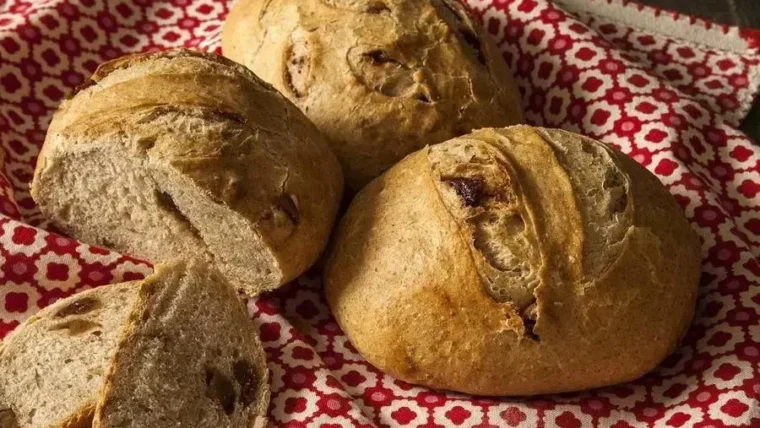
Fig bread is a delicious delicacy full of health benefits. This bread is made with fresh or dried figs, and combines the natural sweetness of the fruit with the soft texture of artisan bread. In this article, we will explore not only how to bake a perfect fig bread, but also the many benefits this fruit can bring to your well-being. Get ready for a culinary journey that unites tradition and health, with useful tips and amazing recipes!
What Is Fig Bread?
Fig bread is a traditional delicacy made from dried figs, often combined with other natural ingredients such as walnuts, almonds, spices and honey. This type of bread is not bread in the conventional sense, as it requires no yeast or flour. Instead, dried figs form the base of the food, providing both its structure and its distinctive flavor.
The origin of fig bread is rich and varied, with roots going back to ancient Mediterranean civilizations, particularly in the regions where the fig is a predominant crop. Historically, the fig was prized not only for its sweet, rich flavor, but also for its ability to keep for long periods. So mixing dried figs with other natural products to create a long-lasting, nutritious food made a lot of sense.
Traditionally, making fig bread means finely chopping dried figs and combining them with a variety of nuts and seeds. The mixture is then flavored with spices such as cinnamon, cloves, anise and sometimes a pinch of salt. To sweeten it further, you can add honey or brown sugar. A common technique is to press the mixture into molds, giving fig bread its distinctive shape. After pressing, the loaf can be left to dry longer, resulting in a dense, chewy texture.
In modern settings, fig bread can be found not only in the homes of families that keep culinary traditions alive, but also in artisan food markets and gastronomic fairs. The current appeal of fig bread lies both in its rich flavors and in its nutritional benefits. Figs are a rich source of dietary fiber, vitamins and minerals, including vitamin B6, copper, manganese and potassium.
Fiber and Digestive Benefits
Dried figs are exceptionally rich in fiber, which makes them an excellent choice for promoting digestive health. Eating fiber-rich foods helps regulate digestion, preventing constipation and supporting a healthy intestinal tract. Fig bread, being made mostly of dried figs, is naturally advantageous in this respect.
Essential Vitamins and Minerals
Beyond fiber, figs contain several essential nutrients, including vitamins A and K and small amounts of various proteins. In particular, the vitamin A in figs can contribute to eye health. Meanwhile, vitamin K is important for efficient blood clotting and bone health.
The presence of minerals such as potassium helps regulate blood pressure and maintain proper muscle function. Copper and manganese are key elements for enzymatic and metabolic processes in the body, highlighting the wide range of health benefits of eating figs.
Fig bread is also a naturally gluten-free option, which makes it suitable for people with celiac disease or gluten sensitivity. This quality, combined with its nutrient density, has made this bread a functional, healthy snack appreciated by ever wider audiences.
Versatility in Use
Fig bread can be enjoyed on its own as a sweet, nutritious snack or worked into many recipes. It is commonly served in thin slices alongside cheeses, especially stronger-flavored ones such as gorgonzola or goat cheese. It can also be used as an ingredient in sweet and savory dishes, bringing a truly pleasant harmony of flavors.
It can also be served with yogurt or as part of a charcuterie board, adding a unique dimension in both texture and flavor. The combination of figs with nuts and honey becomes an explosion of natural flavors that can enrich any meal, from breakfast to dinner.
Another interesting use for fig bread is in desserts. It can be layered into cakes and pies or even serve as the base of more elaborate desserts, adding a gourmet touch.
Fig bread is therefore a celebration not only of the incredible flavors and textures that natural ingredients can offer, but also of the nutritional benefits they can bring. However you choose to enjoy this homemade delight, fig bread will certainly add a special layer of tradition and health to your menu.
Health Benefits of Figs
The fig is a fruit packed with vital nutrients that promote overall health. It is an excellent source of dietary fiber, essential for improving digestion and supporting intestinal health. A fiber-rich diet can help fight constipation and keep the digestive system regular.
Figs are widely known for their high concentration of antioxidants. These compounds are essential for fighting free radicals in the body, preventing cell damage and reducing the risk of chronic diseases such as heart disease and cancer. Antioxidants such as vitamins A, E and K contribute significantly to maintaining cellular health.
Figs are also an excellent source of potassium, a mineral that plays a crucial role in maintaining blood pressure. Potassium helps balance sodium levels in the body, preventing hypertension and consequently reducing the risk of cardiovascular disease.
The anti-inflammatory properties of figs are also notable. The bioactive compounds in the fruit can help reduce inflammation and relieve the symptoms of inflammatory conditions such as arthritis. This makes figs an excellent addition to the diet for those who suffer from chronic inflammatory diseases.
Another significant benefit of figs is their calcium content. A serving of dried figs can provide a considerable amount of calcium, essential for healthy bones and teeth. Eating figs regularly can help strengthen bones and prevent osteoporosis, especially in postmenopausal women.
Figs also contain a moderate amount of natural sugar, which can be a quick source of energy for the body. Unlike processed sugary products, the natural sugars in figs come with fiber, which helps regulate the release of glucose into the bloodstream, preventing sugar spikes.
In terms of vitamins, figs are especially rich in vitamin B6, which is crucial for brain function. Vitamin B6 helps produce neurotransmitters such as serotonin and dopamine, which are essential for mental health and well-being. Adequate vitamin B6 intake can improve mood and help fight depressive states.
Finally, figs are a good source of iron, a mineral crucial for hemoglobin production in the blood. This is particularly beneficial for people with anemia, as eating figs regularly can improve iron levels and help fight the fatigue associated with the condition.
So adding figs to your diet, especially as a delicious fig bread, is an effective way to enjoy all these benefits. Besides being a tasty, nutritious option, fig bread can enrich your diet and support better health.
Ingredients Needed
To bake a delicious fig bread, it is important to gather all the needed ingredients in advance. That way you make sure everything is available in the right amount to bake the recipe efficiently and without surprises.
The Main Ingredients
The main ingredients for a traditional fig bread include:
- Dried figs: Figs are the star of this recipe. They bring natural sweetness and a unique texture to the bread.
- Wheat flour: This is a basic ingredient for giving the bread structure. Flour can vary, but wheat flour is the most common.
- Active dry yeast: Essential for making the bread rise and stay soft inside.
- Sugar: This can be white or brown sugar, or even honey, depending on the desired sweetness.
- Salt: Just a pinch to enhance the flavors.
- Warm water: Water at the right temperature helps activate the yeast.
- Olive oil: To add moisture and flavor to the bread.
- Walnuts: An optional ingredient, but one that adds delicious crunch.
[Detailed Step-by-Step Preparation]
Step 1: Start by chopping the dried figs into small pieces. This will help distribute them evenly through the dough.
Step 2: In a bowl, dissolve the active dry yeast in warm water with a spoonful of sugar. Let rest for about 10 minutes until foamy. This guarantees the yeast is active.
Step 3: In another large bowl, mix the wheat flour, salt and sugar. Make a well in the center and add the yeast mixture, the olive oil and the chopped figs.
Step 4: Knead the dough in the bowl, bringing the ingredients together until they form a uniform ball. If the dough is too dry, add more warm water little by little. If it is too sticky, add a little more flour.
Step 5: Transfer the dough to a lightly floured surface and keep kneading for about 10 minutes, until elastic and smooth.
Step 6: Put the dough back in the bowl, cover with a damp cloth and let rise in a warm place for about 1 to 2 hours, or until doubled in size.
Step 7: Once the dough has risen, transfer it to a floured surface, punch it down lightly to remove excess air and shape it as desired. Add the walnuts on top, if using.
Step 8: Place the shaped dough in a greased loaf pan or on a baking sheet lined with parchment paper. Let rise for 30 to 45 more minutes.
Step 9: Preheat the oven to 350°F (180°C). Bake the bread for about 30 to 40 minutes, or until golden and sounding hollow when tapped on the bottom.
Step 10: Remove the bread from the oven and let cool on a rack before slicing and serving. Resting time is essential so the bread finishes baking inside and does not crumble when sliced.
Final Considerations
These ingredients and steps are fundamental for a perfect fig bread. Choosing quality ingredients and following each step closely will produce a delicious, flavorful loaf. Do not hesitate to experiment and adjust the recipe to your taste, adding different spices or extra ingredients that complement the sweetness and flavor of figs!
Recipe Step by Step
-
Preparing the ingredients: Start by setting out everything needed for the fig bread recipe. Make sure you have good-quality dried figs, walnuts, almonds, wheat flour, brown sugar, eggs, active dry yeast, butter and salt. Chop the dried figs and walnuts into small pieces.
-
Activating the yeast: In a small bowl, mix the active dry yeast with a little sugar and warm water. Let rest for about 10 minutes, until the mixture starts to foam. This shows the yeast is active and ready to use.
-
Making the dough: In a large bowl, mix the wheat flour, salt and brown sugar. Make a well in the center of the dry ingredients and add the yeast mixture, the beaten eggs and the melted butter. Mix well until a uniform dough forms.
-
Adding the figs and walnuts: Fold the dried fig pieces and chopped walnuts into the dough. Make sure they are well distributed throughout. These ingredients will give the bread a rich texture and unique flavor.
-
Kneading the dough: Transfer the dough to a floured surface and knead well for about 10 minutes, until smooth and elastic. Kneading is a crucial step for developing the gluten and giving the bread structure.
-
First rise: Place the dough in a lightly oiled bowl, cover with a clean cloth and let rest in a warm place for about 1 to 2 hours, or until doubled in size.
-
Shaping the loaf: After the first rise, transfer the dough back to the floured surface. Shape the bread as you like: a traditional loaf shape or smaller individual rolls, as you prefer.
-
Second rise: Place the shaped loaf on a properly greased baking sheet or one lined with parchment paper. Cover with the cloth and let ferment again for 30 to 45 more minutes.
-
Preheating the oven: While the bread completes its second rise, preheat the oven to 350°F (180°C). Make sure the oven is fully heated before the bread goes in.
-
Baking: Bake the bread in the preheated oven for about 25 to 35 minutes, or until golden and sounding hollow when tapped on the bottom. Baking time may vary depending on the size of the loaf.
-
Cooling: Remove the bread from the oven and let cool on a rack. This keeps the bottom of the loaf from turning moist and helps it cool evenly.
-
Tasting: Fig bread can be enjoyed at room temperature or slightly warmed. It is delicious on its own, with butter, homemade jams or cheeses. Savor every bite of this nutritious, flavorful bread!
As you refine your technique, feel free to adjust the ingredients to your personal taste. You can try adding spices such as cinnamon or cloves, or even combine other types of dried fruit and seeds.
This recipe makes a bread that is perfect for a healthy breakfast or a filling afternoon snack. The combination of sweet fig flavor with the crunch of walnuts gives this homemade bake a special, sophisticated touch.
Storage Tips
To guarantee the shelf life and quality of your fig bread, a few storage practices are essential.
Choosing Where to Store It
Keep the bread in a cool, dry place away from direct sunlight. Places like pantries, cupboards or even the refrigerator are ideal for extending the life of fig bread. Damp places or spots with temperature swings can harm the texture and flavor of the bread.
Proper Wrapping
Use airtight containers or zip-top plastic bags to store the bread. Wrapping the bread correctly keeps air out, which can dry the loaf and strip its softness. Parchment paper or aluminum foil can add an extra layer of protection.
Storing at Room Temperature
If you store fig bread at room temperature, eat it within 2 to 3 days. During this time, keep the bread in a sealed container to stay fresh. After that, the texture may suffer and the flavor may change.
Refrigerator
Refrigeration is an excellent option for extending the life of fig bread. Wrap the loaf in parchment paper and then place it in an airtight container or plastic bag. Stored this way, the bread can last up to two weeks without losing its qualities. To serve, take it out of the refrigerator and let it come to room temperature before serving.
Freezing
Freezing fig bread is one of the best long-term storage methods. Slice the loaf or cut it into portions, wrap each piece in plastic wrap and store in freezer bags. In the freezer, the bread keeps for up to three months. To thaw, take it out of the freezer and leave at room temperature or warm lightly in the oven.
Extra Care
Keep fig bread away from strong-smelling foods such as onion and garlic to avoid any odor contamination. Also, always check the loaf before eating, especially if it has been stored for longer periods.
Signs of Spoilage
Even with every precaution, watch for signs of spoilage. Mold, unpleasant odors and changes in texture mean the bread is no longer fit to eat.
Best Practices for Keeping Bread Fresh
Consider slicing the bread only when you are about to eat it, keeping the rest intact to prevent oxidation. Alternatively, freeze individual slices and thaw as needed to stay fresh.
Following these storage tips will help keep your fig bread delicious and nutritious for longer, preserving all its qualities. Remember that good storage practices are essential for getting the most out of your homemade fig bread.
Recipe Variations
Fig bread is a versatile recipe that can be adapted in many ways to suit different tastes and dietary needs. Here are a few variations you can try:
1. Fig Bread with Walnuts
Adding walnuts to your fig bread makes it crunchier and even more nutritious. Walnuts are rich in omega-3 fatty acids, protein and fiber. For this variation, add 1 cup of coarsely chopped walnuts to the dough before baking.
2. Fig Bread with Chocolate
This version is perfect for chocolate lovers. Add 1 cup of semisweet chocolate chunks to the fig mixture. The contrast between sweet figs and bitter chocolate makes an irresistible combination.
3. Gluten-Free Fig Bread
For those with gluten intolerance or who prefer a gluten-free diet, use alternative flours such as almond flour or rice flour instead of wheat flour. These swaps keep the texture and flavor, but without the gluten.
4. Vegan Fig Bread
For a vegan version, replace the eggs with chia seeds or ground flaxseed mixed with water, and swap cow milk for plant milk such as almond or coconut milk. You can also use coconut oil or olive oil instead of butter.
5. Spiced Fig Bread
Add a variety of spices to give fig bread a more complex, aromatic flavor. Try cinnamon, nutmeg, cardamom or powdered ginger. These spices not only boost flavor but also bring extra health benefits.
6. Fig Bread with Dried Fruit
Fold other dried fruits such as apricots, dates or raisins into the dough for more texture and a touch of sweetness. Be sure to chop the fruit into small pieces for even distribution.
7. Protein Fig Bread
To raise the protein content of your bread, add 1 scoop of protein powder (preferably unflavored or vanilla) to the mix. Another option is adding chia or pumpkin seeds, which are rich in protein and fiber.
8. Fig Bread with Beer
Using beer instead of water or milk makes the crumb lighter and adds a surprising flavor. Try different beer styles to see which pair best with figs, such as stout or wheat beer.
9. Fig Bread with Honey
Replace part of the sugar with honey for a softer, more natural flavor. Honey also has antioxidant and antimicrobial properties, making the bread even healthier.
10. Fig Bread with Herbs
Add fresh or dried herbs such as rosemary, thyme or basil for an aromatic, sophisticated touch. These herbs pair beautifully with sweet figs, creating a pleasant balance.
11. Fig Bread with Seeds
Add a mix of seeds such as sunflower, pumpkin and flaxseed to the dough to boost texture and nutrients. Seeds are rich in beneficial fatty acids and fiber, making the bread even more nutritious.
12. Fig Bread with Yogurt
Replace part of the liquid in the recipe with plain yogurt, which gives the bread a softer crumb and extra moisture. Yogurt also adds a lightly tangy flavor that complements sweet figs well.
13. Fig Bread with Oats
Mix 1 cup of oats into the dough to raise the fiber content and give the bread a more rustic texture. Oats also help retain moisture, keeping the bread soft for longer.
14. Fig Bread with Citrus
Add lemon or orange zest to the dough for a citrusy note. Fresh citrus flavor complements sweet figs very well and makes tasting even more interesting.
15. Whole-Wheat Fig Bread
For a healthier version, replace part of the wheat flour with whole-wheat flour. This raises the fiber and nutrient content and gives the bread a sturdier texture.
16. Fig Bread with Kefir
Use kefir instead of milk or water to make the dough. Kefir is a probiotic drink rich in nutrients that not only aids digestion but also gives the bread a special texture.
17. Fig Bread with Flaxseed
Add ground flaxseed to the dough to raise fiber and omega-3 content. Flaxseed also helps the texture, making the bread softer and more nutritious.
18. Fig Bread with Coconut
Add coconut flakes to the dough for a tropical flavor. Coconut pairs well with figs and adds an interesting texture.
19. Fig Bread with Sweetened Condensed Milk
Replace part of the sugar with sweetened condensed milk for a creamier, sweeter loaf. This variation is perfect for anyone who likes an extra touch of sweetness.
20. Fig Bread with Pumpkin
Add pumpkin puree to the dough for a lightly sweet flavor and moist crumb. Pumpkin also adds nutrients such as vitamin A and fiber.
21. Fig Bread with Bananas
Use mashed bananas in the dough for natural sweetness and moisture. Bananas also replace refined sugar well in recipes, making the bread healthier.
22. Fig Bread with Ginger
Add fresh or powdered ginger to the dough for a warm, spicy note. Ginger pairs well with figs and is known for its digestive health benefits.
23. Fig Bread with Rye
Replace part of the wheat flour with rye flour for an earthier flavor and denser texture. Rye is also a good source of fiber and minerals.
24. Fig Bread with Brazil Nuts
Add chopped Brazil nuts to the dough for crunch and rich flavor. These nuts are rich in selenium and other essential vitamins and minerals.
25. Fig Bread with Molasses
Use cane molasses instead of refined sugar to give the bread a deep, rich flavor. Molasses is also more nutritious, containing iron and calcium.
26. Fig Bread with Cranberries
Add dried cranberries to the dough for a sweet-tart touch. Cranberries are rich in antioxidants and add a chewy texture to the bread.
27. Fig Bread with Sesame
Sprinkle sesame seeds over the dough before baking for crunch and nutty flavor. Sesame is also a good source of calcium and fatty acids.
28. Fig Bread with Ricotta
Fold ricotta into the dough for an even softer crumb and extra moisture. Ricotta is a great source of protein and calcium.
29. Fig Bread with Sweet Potato
Add sweet potato puree to the dough for a moist texture and lightly sweet flavor. Sweet potato also raises the fiber and nutrient content of the bread.
30. Fig Bread with Peanut Butter
Add a layer of peanut butter to the dough for rich flavor and a creamy texture. Peanut butter is also a good source of protein and healthy fats.
History and Tradition of Fig Bread
Fig bread has deep roots in the culinary history of several Mediterranean cultures. The main reason for its creation was the abundance of figs in the region and the need to preserve these fruits for consumption all year round.
The Origin of Fig Bread
Fig bread goes back centuries, to when ancient peoples sought effective ways to preserve fig harvests. The technique meant sun-drying figs and combining them with other natural ingredients such as nuts and spices, creating a highly nutritious, long-lasting food.
Mediterranean Cultures
In countries such as Spain, Portugal, Italy and Greece, fig bread has become an especially popular tradition, with regional variations adding different local ingredients. It is common to find this bread at fairs and markets, especially during religious festivities and harvest celebrations. In some regions of Spain, such as Andalusia, it is known as pan de higo and can be enriched with almonds, cinnamon and even a touch of brandy, becoming a gourmet treat.
Symbolism and Festivities
Over the years, fig bread has taken on symbolic meaning in many cultures. In many communities, for example, it is baked at Christmas and other religious celebrations, symbolizing abundance and prosperity. Making fig bread is also often a community activity, where family and friends gather to help, strengthening social and cultural bonds.
Ancestral Recipes
Passed down from generation to generation, fig bread recipes can vary widely, but all share respect for traditional methods. Many bakers still sun-dry figs and use stone grinders to crush the ingredients, honoring ancestral techniques that value patience and precision.
Adoption and Modernization
Modernization and globalization have brought new adaptations to fig bread, however. Today, many artisan bakeries and renowned chefs experiment with this delicacy, adding ingredients such as chocolate, exotic dried fruits and seeds for an even richer, more varied texture.
Pairings and Serving Suggestions
Dried Figs and Cheese
Fig bread is a delight that pairs very well with many cheeses. Blue cheeses such as gorgonzola and Roquefort have a strong flavor that contrasts wonderfully with the sweetness of dried figs. For an extra touch of flavor, serve the bread sliced with a generous portion of these cheeses and, if possible, add a little honey for an extraordinary taste experience.
Wines and Drinks
To bring out the flavors of fig bread, consider pairing it with the right wines. Full-bodied red wines such as Cabernet Sauvignon or Merlot are excellent accompaniments. They help intensify the flavor of dried figs and complement the texture of the bread. For those who prefer white wines, options such as a good Riesling or Sauvignon Blanc also work well.
Dried Fruit
Presenting fig bread with a selection of dried fruits can be a surprising experience. Walnuts, almonds, apricots and dates are great examples. Besides raising the nutritional value of the snack, dried fruits complement the figs, creating a rustic, delicious combination.
Honey and Preserves
Good-quality honey and homemade preserves are excellent accompaniments. Fig bread gets even more delicious with fruit preserves or marmalades. Try serving it with orange compote or raspberry jam. The combination of textures and flavors makes for a unique experience.
Coffee and Tea
Coffee is a classic drink that goes well with fig bread. Stronger coffees such as espresso or Turkish coffee balance the sweetness of figs. On the other hand, aromatic teas such as green tea or black tea are also good options. They help cleanse the palate and complete the tasting experience.
Healthy Combinations
For a healthier meal, fig bread can be paired with plain yogurt and fresh fruit. Strawberries, grapes and apples are some fruits that go very well with it. Add a touch of granola for crunchy contrast. This kind of combination is perfect for a nutritious breakfast.
Liqueurs and Craft Drinks
Liqueurs made with fruit or herbs, such as amaretto or raspberry liqueur, offer an interesting pairing. They complement the sweetly complex flavors of fig bread, creating a sophisticated dessert. Craft drinks such as mead and craft beers also make for an innovative, delicious experience.
Conclusion and Final Thoughts
Throughout this article, we have explored many fascinating aspects of fig bread, a homemade delicacy that combines tradition and health. First, we defined what fig bread is, highlighting its unique character and incomparable flavor. Then we covered the many health benefits of figs, from their antioxidant properties to their role in improving digestion.
Along the way, we also listed all the needed ingredients for baking this delicious bread at home, knowing that ingredient quality makes all the difference in the final result. We detailed the recipe step by step, so even first-time bakers can make this delight with ease. We also offered valuable storage tips for keeping the bread fresh longer.
Another important part of the article was devoted to recipe variations, showing how adding other ingredients or changing the technique can yield new flavors and textures while keeping the essence of fig bread. We also traveled through time to understand the history and tradition of fig bread, highlighting its cultural relevance and how it has been enjoyed over the years.
To enrich our conversation further, we discussed pairings and serving suggestions, from ideal accompaniments to drinks that enhance the flavor of fig bread. This comprehensive approach guarantees you have complete knowledge of how to get the most out of this culinary delight.
We hope the detailed information and practical tips shared throughout this article have been useful, and that you feel inspired to try fig bread in your own kitchen. This bread is not only a healthy option, but also a delicious way to connect with culinary traditions and create new gastronomic memories.


💬 Comentários (0)
Deixe sua teoria ou opinião sobre esta matéria.
Nenhum comentário por enquanto. Seja o primeiro a comentar!