
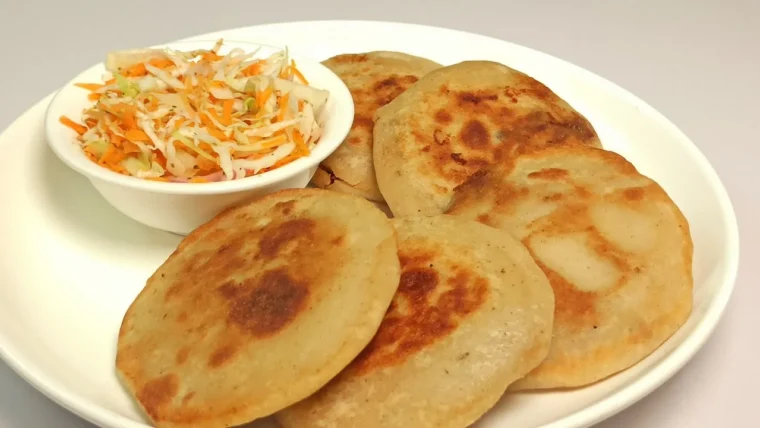
Have you ever tried bean and cheese pupusas? This traditional Salvadoran dish is a true explosion of flavor, combining the distinctive taste of beans with the irresistible melt of cheese. In this post, we will explore not only what pupusas are, but also how you can make them in your own kitchen and enjoy an authentic culinary experience. Ready for a flavorful journey?
What Are Pupusas? An Introduction to the Dish
Pupusas are a fascinating culinary expression of El Salvador, where simple flavors like beans and cheese turn into a delicious, comforting dish. This traditional dish is basically made of a corn dough that is filled, shaped into a disc, and then cooked on a griddle until golden and crisp on the outside, while the inside stays soft and stuffed.
Although the pupusa is simple in composition, the real magic happens when choosing and preparing the fillings. The beans and cheese, a traditional and very popular filling in El Salvador, must be prepared with care. The beans are usually cooked until they become a paste, while the cheese — often a local type called quesillo — is known for melting well, adding an irresistible texture to the dish.
Beyond beans and cheese, pupusas can be enriched with chicharrón, another very common variation, which is a shredded, seasoned pork that adds a new layer of flavor. It is also common to find the pupusa version with loroco, an edible flower that brings a unique, delicate, and distinctly Salvadoran flavor.
To enjoy a pupusa you need little more than some curtido, a kind of fermented cabbage slaw with carrots, onion, and chili pepper. This side not only complements pupusas with its tanginess and crunch but also balances the richness of the bean and cheese fillings. Another classic side is salsa roja, a light sauce made from cooked tomatoes, adding a mild, spicy note to the dish.
Making pupusas at home can be a fun and rewarding activity. The corn dough is usually made with instant corn flour mixed with water and a little salt, reaching a consistency that is easy to handle. The skill lies in sealing the fillings inside the dough without them escaping during cooking. With practice, making pupusas becomes an easier and more enjoyable experience.
Despite their relatively simple preparation, pupusas are a dish with a rich cultural history. Originating with the Indigenous peoples of El Salvador, pupusas have been recognized as part of the cultural heritage of the country and are celebrated on National Pupusa Day. This dish represents not only a flavorful meal but also a deep connection with the identity and traditions of a people.
Thanks to their versatility and adaptability, pupusas have gained admirers beyond the borders of El Salvador. The growing worldwide popularity of this dish is no surprise, as it offers a dining experience rich in flavor and tradition. Next time you look for a unique culinary experience, consider bean and cheese pupusas (pupusas de frijoles y queso) and discover why this dish is so valued in El Salvador and beyond.
How to Make Bean and Cheese Pupusas at Home
Bean and cheese pupusas are a traditional dish from El Salvador, filled with a tasty combination of beans and melted cheese. This detailed guide will help you make delicious pupusas at home, step by step. First, it is important to choose the right ingredients. The beans should be precooked and mashed into a paste, while the cheese, preferably one that melts well, should be grated or cut into small pieces.
For the dough, you will need corn masa, which can be found ready-made in many supermarkets, or prepared at home from nixtamalized corn. The dough consistency is crucial: it should be smooth and pliable so it does not crack while cooking. The technique for assembling pupusas is to make a dough ball, open a hole in the center, and add the bean and cheese filling. Seal the opening, flatten the pupusa, and place it on a very hot skillet, with no oil.
One important tip is not to skimp on the filling, but also not to overdo it to the point of making the pupusas hard to seal. Balance is the key to a pupusa where the flavor and texture of the fillings stand out. While cooking, the skillet must be at medium-high heat so the pupusas cook evenly and turn golden without burning.
Cooking Techniques
Besides the traditional skillet method, you can try cooking pupusas on a grill to add a smoky flavor. Another option is to use a tortilla press for evenly thick pupusas, which can help them cook uniformly.
Sides are essential to complement pupusas. Curtido, a kind of fermented cabbage salad, and homemade tomato sauce are traditionally served with pupusas. You can prepare curtido in advance, as its flavor improves after a few days.
In short, making bean and cheese pupusas at home requires attention to detail, from selecting ingredients to the cooking method. With practice and patience, you can recreate this delicious Salvadoran dish and bring a little of the kitchen of El Salvador into your home.
Tips and Sides for Perfect Pupusas
Understanding the best sides and techniques can turn your bean and cheese pupusas into an authentically Salvadoran dining experience. Considering the essence of this dish, it is essential to choose sides that highlight the mild flavor of beans combined with the salty accent of cheese.
One classic side for pupusas is curtido. This fermented cabbage salad not only adds a tangy layer of flavor but also a crunchy texture that contrasts perfectly with the softness of pupusas. For an ideal curtido, use red and white cabbage, carrots, and a good dose of vinegar, oregano, and a pinch of red pepper flakes for that characteristic flavor.
Homemade tomato sauce also plays a vital role. With just fresh tomatoes, a touch of garlic, onion, cilantro, and a drizzle of olive oil, you can create a sauce that complements pupusas without overpowering the bean and cheese filling. Simplicity is key, letting the natural flavors of the ingredients shine.
Looking beyond the classics, adding guacamole as a side can bring a freshness and creaminess that pair well with bean and cheese pupusas. Ripe avocados mashed with a little lime juice, salt, and a touch of chopped onion are enough to elevate the flavor profile of this traditional dish. Guacamole also works as an excellent counterpoint to the heavier flavor of beans and cheese.
For those who prefer a spicier experience, adding a homemade hot pepper sauce can be the ideal choice. Using local peppers, such as jalapeño or habanero, mixed with a little vinegar and salt, this sauce can be as hot as you like. The complexity of the pepper heat with the mildness of cheese and beans creates a stimulating and deeply satisfying combination.
Drink pairings should not be overlooked. A traditional Salvadoran drink like Horchata de Morro, a drink made from morro seeds, cocoa, cinnamon, and rice, can be surprisingly refreshing and pairs well with pupusas. The softness and subtle sweetness of horchata help balance the richness of beans and cheese.
Beyond these suggestions, it is always exciting to experiment with different types of cheese or even add ingredients like shrimp or chorizo to the bean filling, taking pupusas to a new level of delight. Encourage experimentation and adapt the recipes to personal preferences to best enjoy this delicious Salvadoran dish.


💬 Comentários (0)
Deixe sua teoria ou opinião sobre esta matéria.
Nenhum comentário por enquanto. Seja o primeiro a comentar!