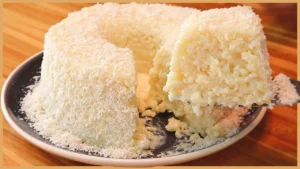
Ultra-Creamy Condensed Milk Flan With No Holes: the Simple Temperature Trick Pastry Chefs Don’t Share
Receitas
Glossário Culinário
Condensed milk is milk concentrated with added sugar, cooked until thick, with a yellowish-white color and a sweet, milky flavor. It is the base of Brazilian confectionery, present in brigadeiros, puddings, mousses and fillings, since it sweetens, thickens and glazes preparations. One can goes a long way, which explains its permanent place in the pantry.
Its basic composition uses only milk and sugar, resulting in a dense consistency that pours in a thick stream. Variants include traditional, skimmed, light and lactose-free and diet versions, each behaving differently on the stove. Sealed, it keeps at room temperature for months; opened, it goes into the fridge for a few days. When heated with other ingredients, it thickens to brigadeiro, beijinho or spoon-sweet stage.
You can improvise a homemade condensed milk by boiling milk with sugar until reduced and thickened, over low heat and stirring always. In some recipes, doce de leite steps in, with a more caramel-like flavor. Plant-based condensed versions, made from coconut or soy, serve dairy-free diets, changing the final taste. For less sugar, prefer ready-made diet versions over merely cutting the sugar in the recipe, since the texture depends on it.
The cooked can of condensed milk became the most famous shortcut to creamy doce de leite, but it demands care: the can must stay always covered with water and cool completely before opening. In pudding, a moderate-temperature water bath avoids holes and leaves a smooth texture. And one simple trick: always serve condensed-milk-based mousses well chilled, since the cold firms the texture.