Creamy Canjica: Traditional Step-by-Step Recipe
Bolos-e-doces
Glossário Culinário
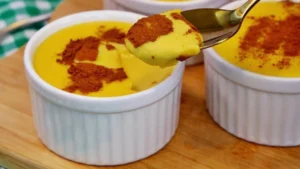
Canjica is the creamy dessert of white hominy slowly cooked in milk with sugar, traditional at June festivals. Served warm or chilled and dusted with cinnamon, it has soft grains wrapped in a thick, fragrant broth, often enriched with sweetened condensed milk and coconut.
A good canjica balances whole, tender grains with a velvety cream. Its main elements are:
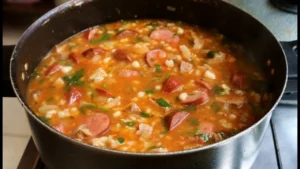
Sweet canjica is the queen of the arraiá, served in cups or bowls at Saint John’s festivals, alongside curau, pamonha and pé de moleque. Outside June, it appears as a family-lunch dessert, afternoon snack and jarred sweet to sell. Corn cooked without sugar also makes savory canjica with calabresa sausage, served as a rustic main dish.
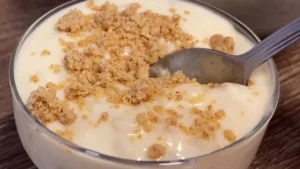
Variations change the creaminess and perfume. There is canjica with paçoca, with toasted peanuts, with chocolate, with dulce de leche and with toasted coconut. The version with coconut milk and spices pleases those who prefer a less cloying sweet. In the Northeast, the same sweet preparation is known as mungunzá, and savory canjica with calabresa, bacon and green onions works as a complete meal on cold days.
Canjica and mungunzá name the same sweet in different regions: in the Southeast and South canjica prevails, in much of the Northeast mungunzá rules. Corn, the central ingredient of June festivals, also stars in curau and pamonha, forming the most beloved June trio. The most repeated home trick is soaking the corn overnight: it shortens cooking and leaves the grains softer without falling apart.