Breaded Beef Steak (Bife à Milanesa): Traditional Step-by-Step Recipe
Carnes
Glossário Culinário
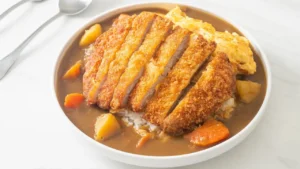
Breading means coating food in a layer of flour and beaten egg before frying or baking, creating a golden, crisp crust outside while keeping the inside tender and juicy. The classic sequence dredges the ingredient in wheat flour, then in egg, and finally in breadcrumbs or cassava flour. It is the technique behind Milanese steak, Japanese katsu, schnitzel, and the battered fish of fish and chips: without the coating they would be just fried meats; with it, they gain characteristic texture and flavor.
Good breading depends on three precautions: patting the food’s surface well dry with paper towels so the flour sticks, seasoning each layer with salt and pepper, and gently pressing the last layer to set it. The oil must be hot but not smoking, so the crust seals quickly without soaking up grease. Frying a few pieces at a time keeps the temperature steady and stops the coating from slipping off. After frying, the food rests on a rack or paper towels, never stacked while still hot, to stay crisp.
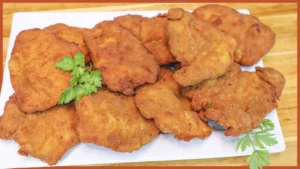
Breading is used for steaks, chicken fillets, fish, shrimp, vegetables such as eggplant and zucchini, and even firm cheeses served as snacks. In the baked or air-fryer version, the coating gets a drizzle of oil or olive oil on top to brown without deep-frying. Different flours change the result: breadcrumbs give a rustic crust, Japanese panko gives lighter, extra-crisp flakes, and cassava flour gives a typically Brazilian crunch.
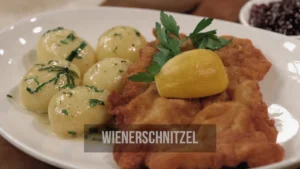
Austrian schnitzel and Italian Milanese are cousins of the same technique, carried to many countries by immigrants and adapted to local ingredients. A professional kitchen trick is to let the already-breaded food rest a few minutes in the fridge before frying: the layer firms up and sticks better during frying.