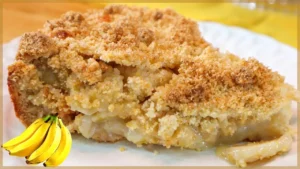
Creamy Blender Chicken Pie: Fluffy Batter That Melts in Your Mouth With a Juicy Filling
Salgados Lanches
Glossário Culinário
Baking powder is the white powder that makes cakes, pies, pancakes and cookies rise in the oven. It combines baking soda with acids that, meeting moisture and heat, release gas bubbles and aerate the batter — no waiting, no kneading, no resting.
The best-selling type is double-acting: it reacts once when mixed with liquids and again under oven heat. It is a fine white powder sold in cans or sachets, and it loses strength over time once opened. As a general reference, use about 1 teaspoon per 1 cup of flour, always following the recipe. Unlike baker’s yeast, it has no living organisms: it is pure chemical reaction.
It is the leavener for quick batters: plain and filled cakes, blender pies, pancakes, waffles, muffins, cookies and cornmeal broas. Mix it into the dry ingredients and bake without delay, because the reaction starts as soon as the batter gets moist. Overmixing after adding it can break the bubbles and leave the cake dense.
Missing baking powder, a homemade fix is combining baking soda with an acidic ingredient such as lemon juice or vinegar, but the result does not always match the ready-made product — use only in an emergency. Baker’s yeast is no substitute, as it needs slow fermentation and changes the texture. And beware too much baking powder: besides a bitter aftertaste, the batter rises fast and then collapses.
To test whether it still works, stir half a teaspoon into a little hot water: if it bubbles vigorously, it is active. Keep the container tightly closed, away from moisture, and never use a wet spoon — water triggers the reaction inside the package. Sifting the powder with the flour spreads the rise evenly and avoids bitter spots in the finished cake.