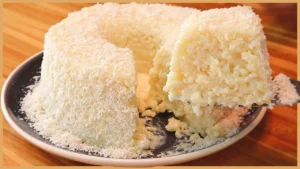
Tapioca Cake (Bolo de Tapioca): Traditional Step-by-Step Recipe
Bolos-e-doces
Glossário Culinário
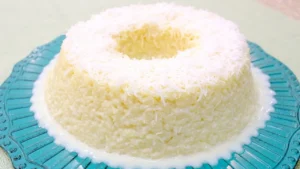
Tapioca cake is a creamy, wheat-flour-free cake made with granulated tapioca soaked in milk, usually with coconut and sweetened condensed milk. It doesn’t go in the oven in the most common version: it sets in the refrigerator and is served chilled, in moist slices.
The base is granulated tapioca — different from the starch used for skillet tapioca crepes — which soaks up the hot milk and swells into a firm mass. Grated coconut, coconut milk and condensed milk give it its signature sweetness and moisture. The finished texture is firm outside and creamy inside, with soft little tapioca pearls. Topped with grated coconut or cinnamon, it is always served well chilled.
Tapioca cake is a practical dessert for hot days and parties, since it serves many and needs no oven. It also works as an alternative birthday cake for those avoiding gluten, as long as every ingredient used is certified. It pairs with coffee and with simple caramel or fruit syrups.
Tapioca comes from cassava, a Brazilian plant cultivated by Indigenous peoples long before the Portuguese arrived. Chilled tapioca cake became popular as a Festa Junina and year-end sweet in the Northeast, then spread across the country as a refreshing alternative to baked cakes.
Bolos-e-doces
Bolos-e-doces
Receitas-fit


