Vatapá: Traditional Bahian Recipe Step by Step
Entradas-e-petiscos
Glossário Culinário
Acarajé is a Bahian fritter made from black-eyed pea and onion batter, fried in dendê (palm) oil and stuffed with vatapá, caruru, dried shrimp, vinaigrette and chili pepper. Crunchy outside and creamy inside, it is street food, party food and devotional food — a symbol of Bahia.
The batter uses soaked and peeled black-eyed peas, grated onion and salt, blended into a thick cream that rests to aerate before frying. It is fried in very hot dendê oil over medium heat until evenly golden. After frying and still hot, the fritter is slit open and stuffed. Traditional acarajé calls for creamy vatapá, okra caruru, dried shrimp, green-tomato salad and pepper, with the heat level chosen on the spot: hot or cold. Size ranges from bite-size party versions to large meal-size ones. Serve immediately, as the crunch is lost as it cools.
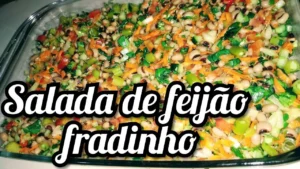
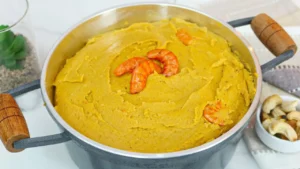
At home, acarajé suits Bahian party spreads, street-food nights, vatapá and xinxim accompaniments and mini versions for cocktails. To make it easier, prepare the batter the same day and fry when serving, keeping the dendê at a steady temperature between batches. Black-eyed peas also make a cold salad, and vatapá works as a side dish on its own. Those who can’t find dendê make an adapted version fried in oil with a spoonful of dendê for flavor, understanding the result is not the original from the street vendor’s tray.
Variations include the abaré, its steamed cousin wrapped in banana leaf, the mini acarajé for parties, the vegetarian version without shrimp, with extra caruru and vinaigrette, and plated acarajé, served open over vatapá to eat with a fork. In all of them, the black-eyed pea base remains.
Acarajé has African roots and ties to Candomblé, where it is an offering food before being street food. The baianas at their trays, in white clothes and turbans, are Bahia’s cultural heritage. Asking about the pepper is part of the ritual: answering hot means with pepper, cold means without.