
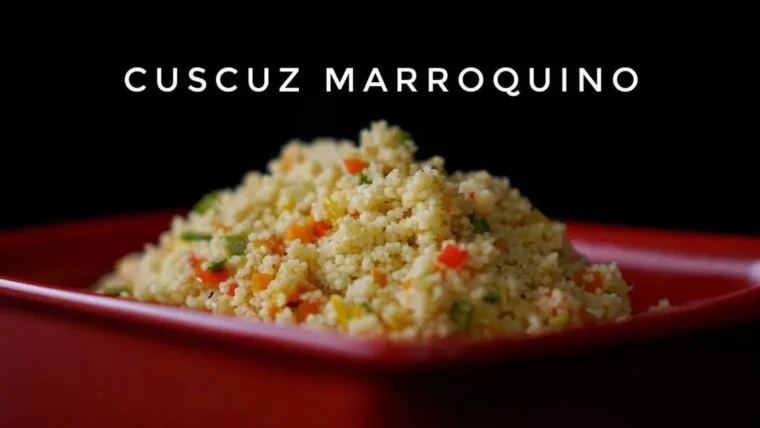
Vegetable couscous is a delicious and healthy option for anyone looking for a quick and nutritious meal. Besides being easy to prepare, this recipe is versatile and can be adapted with your favorite vegetables. Let’s learn how to make this wonderful, flavor-packed dish!
Necessary Ingredients
To prepare a delicious vegetable couscous, you will need the following ingredients:
- 1 cup Moroccan couscous
- 1 cup water
- 1 medium carrot
- 1 small zucchini
- 1 small red bell pepper
- 1/2 red onion
- 2 tablespoons olive oil
- 1 clove garlic, minced
- Salt and pepper to taste
- Juice of half a lemon
- Fresh herbs to taste (parsley, cilantro, basil)
Preparing the Vegetables
To guarantee a nutritious and flavorful vegetable couscous, it is essential to prepare the vegetables properly. Follow these steps:
- Cut all the vegetables into small cubes to make cooking and mixing easier.
- In a large skillet, heat 1 tablespoon of olive oil.
- Add the red onion and minced garlic, sautéing until golden.
- Add the carrot and bell pepper. Cook for about 5 minutes.
- Add the zucchini and cook for 3-4 more minutes.
- Season with salt, pepper, and lemon juice.
Preparing the Couscous
Preparing the couscous is simple and quick. Here’s how:
- In a large bowl, add the Moroccan couscous.
- Bring one cup of water to a boil and add a pinch of salt and one tablespoon of olive oil.
- Pour the hot water over the couscous, cover the bowl, and let it rest for 5 minutes.
- After resting, fluff the couscous with a fork.
Combining the Couscous with the Vegetables
Now that the ingredients are ready, it’s time to combine them:
- Add the cooked vegetables to the fluffy couscous.
- Mix well to ensure all ingredients are evenly distributed.
- Season with a little more olive oil if needed, and adjust the salt and pepper.
Tips to Customize the Recipe
To make your vegetable couscous even more special, consider these tips:
- Different Vegetables: Try adding broccoli, peas, or corn.
- Dried Fruits and Nuts: Chopped almonds, raisins, or apricots add texture and flavor.
- Protein: Add chickpeas, grilled tofu, or chicken pieces to boost the nutritional value.
- Spices: Use cumin, turmeric, or paprika for a special touch.
Nutritional Benefits of Vegetable Couscous
Eating vegetable couscous brings several health benefits:
- Low in Calories: Ideal for weight-control diets.
- Rich in Fiber: Aids digestion and the feeling of fullness.
- Source of Vitamins: Carrots and zucchini are sources of vitamins A and C.
- Vegan Protein: Add chickpeas for a protein complement.
- Healthy Fats: Olive oil is rich in beneficial fatty acids.
How to Serve Vegetable Couscous
Serve your vegetable couscous alongside typical dishes or as a main course:
- Side Dish: Ideal with grilled meats, fish, or as a side for main courses.
- Main Course: Add chickpeas or tofu and turn it into a nutritious main dish.
- Fresh Touch: Serve with a fresh green salad and mint.
Storage and Leftovers
About how to store and reuse vegetable couscous:
- Storage: Keep in an airtight container in the refrigerator for up to 3 days.
- Reusing: Use as a wrap filling, alongside shredded chicken, or as a base for a cold salad.
- Reheating: Warm gently in a skillet with a little water to restore the texture.
Cultural References
Vegetable couscous is a dish present in several cultures:
- Moroccan: Traditional in Moroccan cuisine, usually served with meat or vegetables.
- Brazilian: Adapted to Brazilian cuisine, with local vegetables and varied seasonings.
- Mediterranean: Popular in Mediterranean countries, with variations of fresh ingredients and herbs.
User Comments
See what some people have to say about this vegetable couscous recipe:
Ana: It turned out wonderful! I added chickpeas and it was perfect.
Pedro: Very quick to make and everyone at home loved it.
Marina: A light and healthy option for everyday life, especially for dinner.
Frequently Asked Questions
Here are some frequently asked questions about the vegetable couscous recipe:
- Can I use another type of couscous? Yes, you can. Moroccan couscous is easier to prepare, but you can try corn couscous or another one of your choice.
- What should I do if the couscous gets soggy? Fluff it with a fork and add a little more olive oil to separate the grains.
- Which vegetables can I add? Any vegetable of your choice can be added, such as broccoli, peas, spinach, etc.


💬 Comentários (0)
Deixe sua teoria ou opinião sobre esta matéria.
Nenhum comentário por enquanto. Seja o primeiro a comentar!