
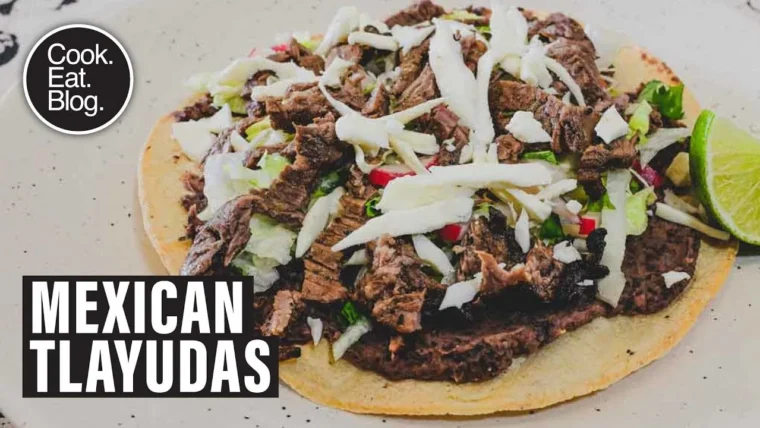
Tlayudas: Traditional Oaxacan Recipe Step by Step
Tlayudas are a traditional dish from the cuisine of Oaxaca, Mexico, combining a variety of flavors and textures in a single meal. This dish is a true celebration of the region’s culinary richness, offering a unique and memorable gastronomic experience. If you are looking for a recipe that is both nutritious and delicious, tlayudas are the perfect choice.
Introduction to Tlayudas
Tlayudas are a kind of Mexican pizza, made with a large, crispy corn-tortilla base topped with a variety of ingredients such as refried beans, cheese, meat, avocado, salsa, and much more. This dish is traditionally served at Oaxacan markets and fairs, but it can also be easily prepared at home. The combination of flavors and textures makes tlayudas a dish everyone will love.
Tlayuda Ingredients
To prepare delicious tlayudas, you will need the following ingredients:
-
4 large corn tortillas (good quality)
-
1 cup refried black beans
-
2 cups shredded Oaxaca or mozzarella cheese (7 oz / 200 g)
-
3.5 oz shredded pork of good quality (100 g)
-
1 medium onion (finely chopped)
-
2 garlic cloves (finely chopped)
-
2 Tbsp vegetable oil (olive oil also works)
-
1 ripe avocado
-
1 bunch fresh cilantro
-
1 jalapeño pepper (optional)
-
Salt and pepper to taste
-
1 lime
Step-by-Step Recipe
Preparing the Tortillas
- Heat the tortillas: In a large skillet, heat the corn tortillas over medium heat until crisp and golden. Set aside.
Preparing the Ingredients
-
Sauté the onion and garlic: In a saucepan, heat the vegetable oil (olive oil also works) over medium heat. Add the onion and garlic (finely chopped) and sauté until translucent.
-
Add the pork: Add the shredded pork to the pan and sauté for a few more minutes until well heated through.
-
Prepare the refried beans: If you do not have ready-made refried beans, you can make a simple version by sautéing cooked black beans with a little oil, garlic, and onion until soft and creamy.
Assembling the Tlayudas
-
Spread the beans: On a flat surface, place a crispy corn tortilla. Spread a generous layer of refried beans over the tortilla.
-
Add the pork: Arrange the shredded pork over the beans.
-
Add the cheese: Cover the pork with a layer of shredded Oaxaca or mozzarella cheese.
-
Add the toppings: Cut the avocado into thin slices and arrange over the cheese. Add the chopped cilantro and, if you like, slices of jalapeño pepper.
-
Season: Squeeze the lime juice over the tlayuda for a final touch of freshness. Add salt and pepper to taste.
Finishing
-
Heat the tlayuda: Place the assembled tlayuda on a baking sheet and bake in a preheated oven at 350°F (180°C) for about 10 minutes, or until the cheese is melted and golden.
-
Serve: Remove the tlayuda from the oven and serve immediately.
Tips for Perfect Tlayudas
-
Choosing the tortillas: Use good-quality corn tortillas to guarantee an authentic flavor.
-
Quality pork: Choose good-quality pork to enrich the flavor of the dish.
-
Varied toppings: Try adding other ingredients such as chopped tomato, red onion, or sour cream to vary the flavor.
-
Jalapeño pepper: If you do not like spicy food, you can omit the jalapeño pepper or use less.
Nutritional Benefits of Tlayudas
Tlayudas are not only delicious but also nutritious. Corn tortillas are rich in fiber and B-complex vitamins. Black beans are an excellent source of protein and fiber. Pork provides protein and healthy fats. Avocado is rich in healthy fats and vitamin E. Cilantro is known for its anti-inflammatory and digestive properties.
Nutrition Facts
| Nutrient | Amount per Serving |
|---|---|
| Calories | 500 kcal |
| Protein | 25g |
| Total Fat | 30g |
| Saturated Fat | 10g |
| Carbohydrates | 35g |
| Dietary Fiber | 5g |
| Sodium | 1000mg |
| Potassium | 700mg |
| Vitamin C | 15mg |
| Vitamin A | 150 IU |
| Calcium | 200mg |
| Iron | 4mg |
History and Culture of Tlayudas
Tlayudas have a long history in Oaxacan cuisine. This dish is traditionally prepared at markets and fairs, where vendors assemble their tlayudas live, letting customers choose their own toppings. Tlayudas celebrate the region’s culinary richness, combining simple ingredients to create a dish full of flavor and tradition.
Oaxacan cuisine is known for its diversity and richness, shaped by various cultures over the centuries. Tlayudas are one example of that richness, offering a unique and memorable gastronomic experience.
Recipe Variations
There are several tlayuda variations you can try. Some people add boiled potatoes or grated carrots to the dish for extra texture and flavor. Other variations use different meats, such as chicken or beef, instead of pork.
You can also experiment with other herbs and seasonings, such as rosemary, thyme, or black pepper, to customize the flavor of the dish. The possibilities are endless, and you can adjust the recipe to your personal preferences.
How to Serve Tlayudas
Tlayudas can be served as a main course or as a side dish. They pair well with a variety of dishes, including salads, soups, and other Mexican specialties. You can also serve tlayudas with fresh bread on the side.
For an elegant presentation, serve the tlayudas on a large platter and garnish with sprigs of fresh cilantro. This dish suits any occasion, from a family dinner to a special celebration.
Conclusion
Tlayudas are a traditional dish that celebrates the richness of Oaxacan cuisine. With fresh, simple ingredients, this recipe suits any occasion. Whether for a family lunch or a special dinner, tlayudas are a choice that always pleases.
Share This Recipe
If you enjoyed this tlayuda recipe, be sure to share it with your friends and family. They will love trying this Mexican delight too!
Enjoyed it? See more recipes like this on our website or join our group on Facebook.


💬 Comentários (0)
Deixe sua teoria ou opinião sobre esta matéria.
Nenhum comentário por enquanto. Seja o primeiro a comentar!