Gumbo: Discover the Irresistible Flavor of This Classic Cajun Dish
Publicada em · Atualizado em
Gumbo: a classic Cajun dish that delights taste buds with bold, unique flavors.
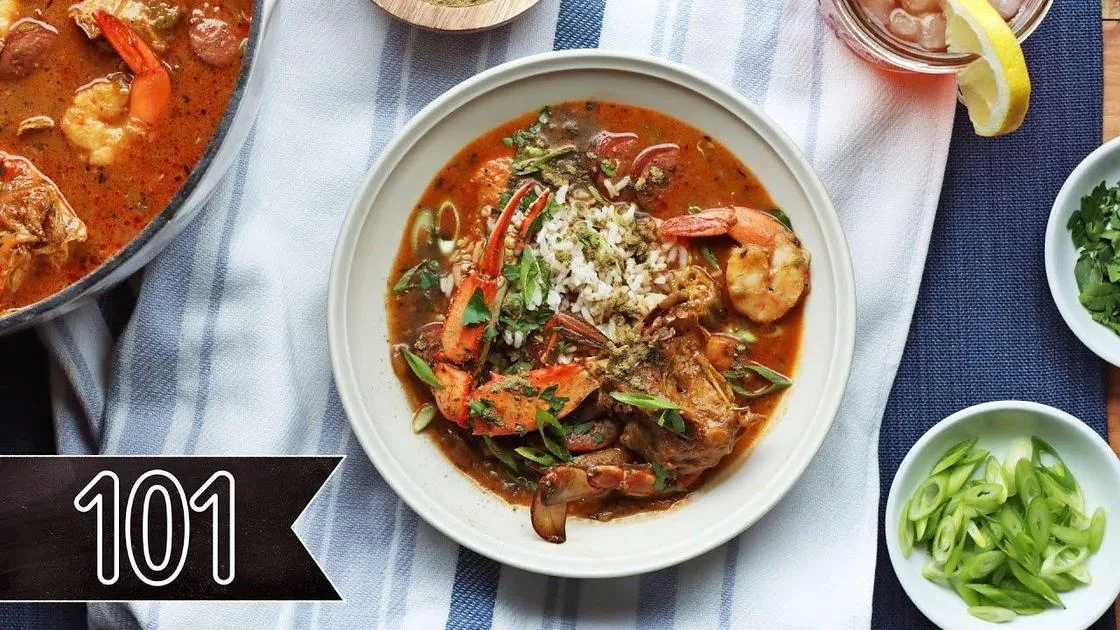
Gumbo is an iconic dish of Cajun cuisine that combines rich and diverse ingredients into a delicious stew. Originating in Louisiana, it is known for its unique texture and bold flavor, the result of blending local ingredients such as okra, seafood, chicken, and a variety of regional seasonings. Its preparation relies on traditional techniques passed down through generations, keeping culinary authenticity and tradition alive.
Origins of Gumbo
The Gumbo is a classic dish of Cajun cuisine, originating in Louisiana, United States. Its history is a fusion of cultures, combining African, French, Spanish, and Native American influences.
The word gumbo comes from the African term ki ngombo, meaning okra, one of the dish's traditional ingredients. Gumbo can also be prepared without okra, using other thickeners such as roux (a mixture of flour and fat) or filé (powdered sassafras leaves).
Classic Ingredients
Gumbo ingredients vary by recipe and region, but some are considered essential:
- Chicken — commonly used in chicken and sausage gumbo recipes
- Andouille sausage — a type of smoked sausage typical of Cajun cuisine
- Seafood — shrimp, oysters, and crabs are commonly used
- Okra — helps thicken the broth
- Bell peppers, onions, and celery — known as the Cajun trinity
- Stock — can be chicken, beef, or seafood stock
- Spices — garlic, bay leaf, thyme, cayenne pepper, among others
Types of Gumbo
There are several variations of gumbo, reflecting the cultural diversity of the region:
Seafood Gumbo
This version is popular in coastal areas, combining shrimp, oysters, and crabs. The roux used is darker, giving depth to the flavor.
Chicken and Sausage Gumbo
This variation is common in inland Louisiana, featuring chicken and Andouille sausage. Okra is often used as a thickener, in addition to the roux.
Gumbo Zherbes
Traditionally served on Good Friday, this vegetarian version is made with a mix of leafy greens such as collard greens, spinach, and mustard greens. The combination of greens gives the dish a unique, wholesome flavor.
How to Make Gumbo
Making gumbo can be a long but rewarding process. Here is a step-by-step guide:
Step 1: Make the Roux
Start by heating oil or fat in a large pot. Add the flour and cook over medium heat, stirring constantly, until it reaches a reddish-brown color.
Step 2: Add the Cajun Trinity
Add chopped bell peppers, onions, and celery to the roux and cook until softened.
Step 3: Add the Proteins
Add the chicken, sausage, or seafood to the mixture. Cook until browned.
Step 4: Add the Stock
Pour in the stock of your choice, stirring well to incorporate the roux. Add garlic, bay leaves, thyme, and other spices.
Step 5: Simmer Slowly
Let the gumbo simmer over low heat for about 45 minutes, stirring occasionally.
Step 6: Add Okra or Filé
If using okra, add it about 15 minutes before the end of cooking. If you prefer filé, add it after removing from the heat, stirring well.
How to Serve
Gumbo is traditionally served with white rice. For an authentic touch, follow these tips:
- Rice — serve a generous portion of gumbo over a bed of cooked white rice.
- Garnishes — add chopped scallions or parsley for a touch of freshness.
- Bread — serve with crusty French bread for dipping into the broth.
Popular Recipes
There are many gumbo recipes, varying from chef to home cook. Here are some popular versions:
Seafood and Oyster Gumbo
- 1 tbsp oil
- 1/2 cup all-purpose flour
- 1 medium onion, chopped
- 2 celery stalks, chopped
- 1 green bell pepper, chopped
- 3 garlic cloves, minced
- 4 cups (1 quart) fish stock
- 18 oz (500 g) cleaned shrimp
- 9 oz (250 g) oyster meat
- 2 bay leaves
- 1 tsp dried thyme
- Cayenne pepper to taste
To prepare, follow the steps above, adding the seafood when you incorporate the proteins.
Chicken and Sausage Gumbo
- 1/4 cup oil
- 1/4 cup all-purpose flour
- 1 large onion, chopped
- 1 green bell pepper, chopped
- 2 celery stalks, chopped
- 2.2 lb (1 kg) chicken, cut into pieces
- 4 Andouille sausages, sliced
- 4 cups (1 quart) chicken stock
- 4 garlic cloves, minced
- 2 bay leaves
- 1 tsp dried thyme
- Cayenne pepper to taste
Follow the preparation steps above, making sure the chicken is well cooked before adding the sausages.
Fun Facts About Gumbo
Gumbo has some interesting trivia:
- It has been the official dish of the state of Louisiana since 2004.
- The largest pot of gumbo ever made weighed more than two tons.
- The traditional Great Gumbo Cookoff is held annually in New Orleans, attracting chefs from around the world.
Gumbo and Pop Culture
Gumbo is not just a dish but also a cultural symbol of Cajun cuisine. It appears in music, film, and literature:
- The song Jambalaya (On the Bayou) popularized Cajun culinary terms such as gumbo and jambalaya.
- In films like The Princess and the Frog, gumbo is frequently featured, highlighting its cultural importance.
- Louisiana cookbooks and memoirs often devote entire chapters to gumbo.
Nutritional Benefits
Beyond its unmistakable flavor, gumbo also offers several nutritional benefits:
- Protein — varied sources such as chicken, shrimp, and other meats.
- Vegetables — bell peppers, onions, and celery provide fiber and vitamins.
- Antioxidants — spices such as garlic and thyme have antioxidant properties.
Gumbo can be adapted to different dietary needs, such as vegetarian or gluten-free versions.
How to Make Your Own Gumbo
Here is a basic recipe to get you started:
- Ingredients:
- 1/4 cup oil
- 1/4 cup all-purpose flour
- 1 large onion, chopped
- 1 green bell pepper, chopped
- 2 celery stalks, chopped
- 2.2 lb (1 kg) chicken, cut into pieces
- 4 Andouille sausages, sliced
- 4 cups (1 quart) chicken stock
- 4 garlic cloves, minced
- 2 bay leaves
- 1 tsp dried thyme
- Cayenne pepper to taste
To prepare, follow the preparation steps detailed in the section above.
Tips for the Perfect Gumbo
Making gumbo can be an art, and a few tricks can help:
- Be Patient with the Roux — cook it slowly and stir constantly to keep it from burning.
- Use Fresh Ingredients — fresh seafood and fresh vegetables make all the difference.
- Let the Flavor Rest — let the gumbo rest for a few hours so the flavors meld well.